In garment manufacturing, creating one perfect sample is only the first step. Clothing brands need to produce garments in different sizes to fit customers with different body shapes and measurements. This is where size grading in garment manufacturing becomes important. It helps manufacturers turn one base-size pattern into multiple sizes while keeping the design, shape, and fit as consistent as possible.
Size grading plays a key role in producing T-shirts, hoodies, jeans, dresses, jackets, and other clothing items. When done correctly, it helps clothing brands maintain quality, reduce fabric waste, and meet customer expectations.
What Is Size Grading in Garment Manufacturing?
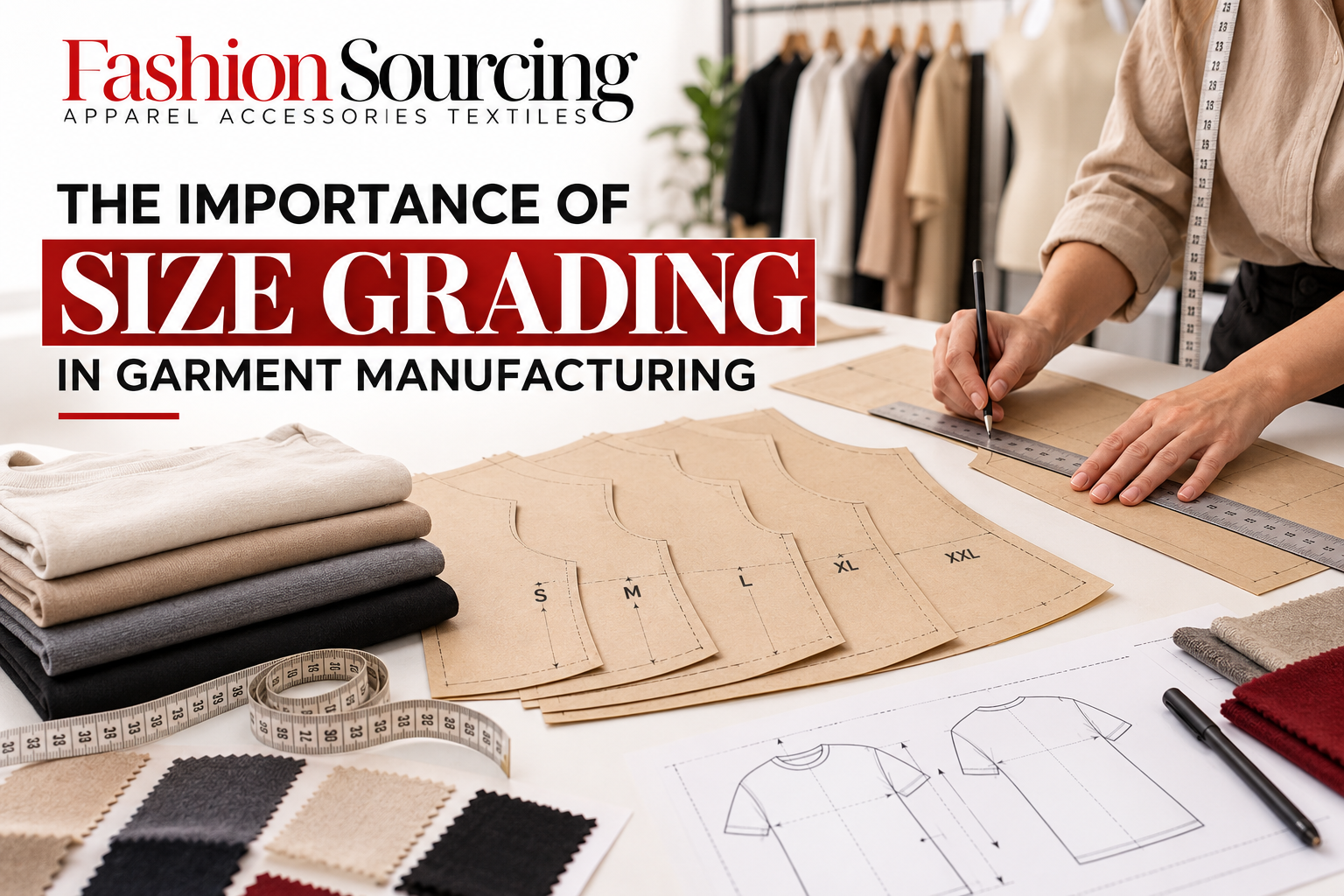
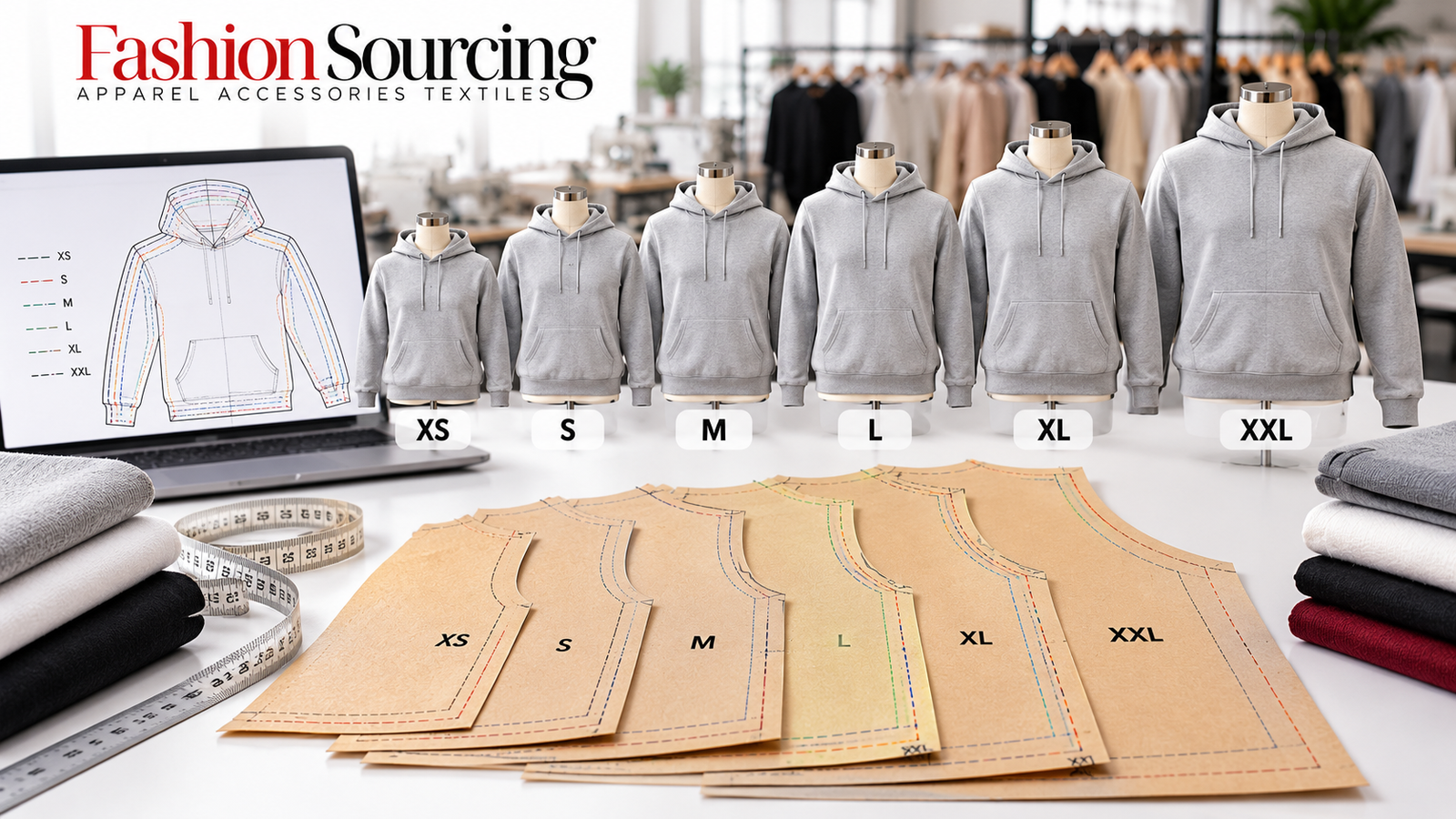
Size grading is the process of increasing or decreasing the measurements of a base-size garment pattern to create different sizes. For example, a clothing manufacturer may develop a medium-size T-shirt sample and then grade the pattern to create small, large, extra-large, and other sizes.
Each size needs specific changes in areas such as chest width, body length, shoulder width, sleeve length, and waist measurement. These changes are based on a size chart and grading rules.
The main goal of garment size grading is to ensure that every size has a similar look and feel while providing a suitable fit for the intended customer.
Why Is Size Grading Important in Clothing Production?
Size grading is important because clothing brands usually sell their products in several sizes. Without proper grading, garments may not fit well, even if the original sample looks perfect.
For example, a T-shirt that fits well in medium may become too wide, too long, or uncomfortable in larger sizes if the pattern is not graded correctly. Proper grading helps maintain the balance and shape of the garment across the full size range.
It also allows clothing manufacturers to produce garments in different sizes more efficiently. Once the grading rules are set, the factory can prepare patterns for the required sizes without creating every pattern from the beginning.
How Does Size Grading Improve Garment Fit?
A good fit is one of the main reasons customers choose to buy clothing again. Size grading helps create garments that match the measurements listed on the brand’s size chart.
During the grading process, pattern makers adjust important areas such as the chest, waist, hips, armholes, sleeves, and garment length. These adjustments depend on the garment type, target market, and customer body measurements.
For example, grading a fitted dress requires more attention to body shape than grading a loose-fit hoodie. Each garment needs a suitable grading plan to maintain comfort, movement, and appearance.
Proper size grading also helps reduce customer complaints and returns caused by incorrect sizing.
The Role of Size Grading in Mass Production
In large-scale garment manufacturing, hundreds or thousands of clothing pieces may need to be produced in different sizes. Size grading helps factories prepare accurate patterns for bulk cutting and stitching.
Once the graded patterns are approved, manufacturers can use them to plan fabric cutting, estimate material needs, and organize production.
Accurate grading also supports better size control during quality checks. Production teams can compare finished garments against approved measurement charts and identify problems before products reach customers.
For clothing brands, this means a more reliable production process and greater consistency across orders.
Common Methods of Size Grading
Garment manufacturers generally use manual grading or computer-based grading. Manual grading involves adjusting paper patterns using measuring tools and established grading rules. It can work well for small production runs and traditional pattern-making processes.
Computer-based grading uses garment design software to create different sizes from a base pattern. It allows pattern makers to make changes quickly, manage size ranges, and improve accuracy.
Many modern clothing factories use digital grading because it saves time and supports large production orders. However, the final patterns still need to be checked to make sure the measurements and fit are correct.
How Fashion Brands Can Get Better Results
Fashion brands should provide a clear size chart before starting garment production. They should also confirm the base-size sample, target customer measurements, and required size range with the manufacturer.
Fit testing is another important step. Checking samples in smaller and larger sizes can help identify grading problems that may not appear in the base size.
Working with an experienced garment manufacturer helps ensure that size grading follows the design requirements and the brand’s quality standards. Careful pattern development, measurement checks, and sample approval can improve the fit and consistency of finished garments.
For growing fashion brands, proper size grading is an essential part of garment manufacturing because it supports better product quality, efficient production, and a more consistent customer experience.
FAQs About Size Grading in Garment Manufacturing
Question 1: What is size grading in garment manufacturing?
Answer: Size grading in garment manufacturing is the process of adjusting a base-size clothing pattern to create smaller and larger sizes. It helps manufacturers produce garments that follow a consistent size chart while maintaining the original design and fit.
Question 2: Why is size grading important in clothing production?
Answer: Size grading is important because it helps clothing manufacturers produce garments in different sizes with consistent measurements, shape, and fit. It also improves production efficiency and reduces sizing errors.
Question 3: How does garment size grading work?
Answer: Garment size grading starts with an approved base-size pattern. Pattern makers then adjust measurements such as chest, waist, hips, shoulder width, sleeve length, and body length according to established grading rules.
Question 4: What is a base size in garment manufacturing?
Answer: A base size is the main size used to develop a garment pattern before creating other sizes. For example, a clothing brand may use medium as its base size and grade the pattern into small, large, and extra-large sizes.
Question 5: What is the difference between pattern making and size grading?
Answer: Pattern making creates the original pattern for a garment design, while size grading adjusts that pattern to produce different sizes. Both processes are important for accurate garment production and consistent fit.
Question 6: What are the common methods of garment size grading?
Answer: The two common methods are manual size grading and computer-based grading. Manual grading uses physical patterns and measuring tools, while computer-based grading uses digital pattern-making software to create multiple sizes.
Question 7: How does size grading improve garment quality?
Answer: Proper size grading helps maintain the garment’s proportions, fit, and measurements across different sizes. It also makes quality control easier by allowing manufacturers to compare finished garments against approved size specifications.
Question 8: Can incorrect size grading increase clothing returns?
Answer: Yes, incorrect size grading can cause garments to fit too tightly, too loosely, or unevenly across different sizes. These problems may lead to customer complaints, poor reviews, and higher return rates.
Question 9: Is size grading necessary for bulk garment manufacturing?
Answer: Yes, size grading is essential for bulk garment manufacturing when clothing must be produced in several sizes. Accurate graded patterns help factories plan fabric cutting, maintain measurement standards, and manage production more efficiently.
Question 10: How can clothing brands ensure accurate size grading?
Answer: Clothing brands can improve size grading by providing a clear size chart, approving the base-size sample, working with skilled pattern makers, and testing samples in multiple sizes before starting bulk production.
Stay updated on Fashion Sourcing, apparel manufacturing, and global supply chain trends:
Connect With Fashion Sourcing
- Instagram: @therealfashionsourcing
- Facebook: Fashion Sourcing
- Twitter/X: @therealfas19949
- LinkedIn: Fashion Sourcing
- Pinterest: Fashion Sourcing
- YouTube: @FashionSourcing-e5w
Visit www.fashion-sourcing.com for all sourcing and procurement needs.
For media & contact inquiries: hello@fashion-sourcing.com