Apparel production involves many steps, from fabric selection and pattern making to cutting, stitching, finishing, and packaging. Even a small mistake during any of these steps can increase production costs, delay delivery, and affect product quality. For clothing brands, startups, and fashion businesses, avoiding these mistakes is important for keeping orders profitable and meeting customer expectations.
Understanding the common apparel production mistakes that increase costs can help businesses plan better, reduce waste, and build a smooth clothing manufacturing process.
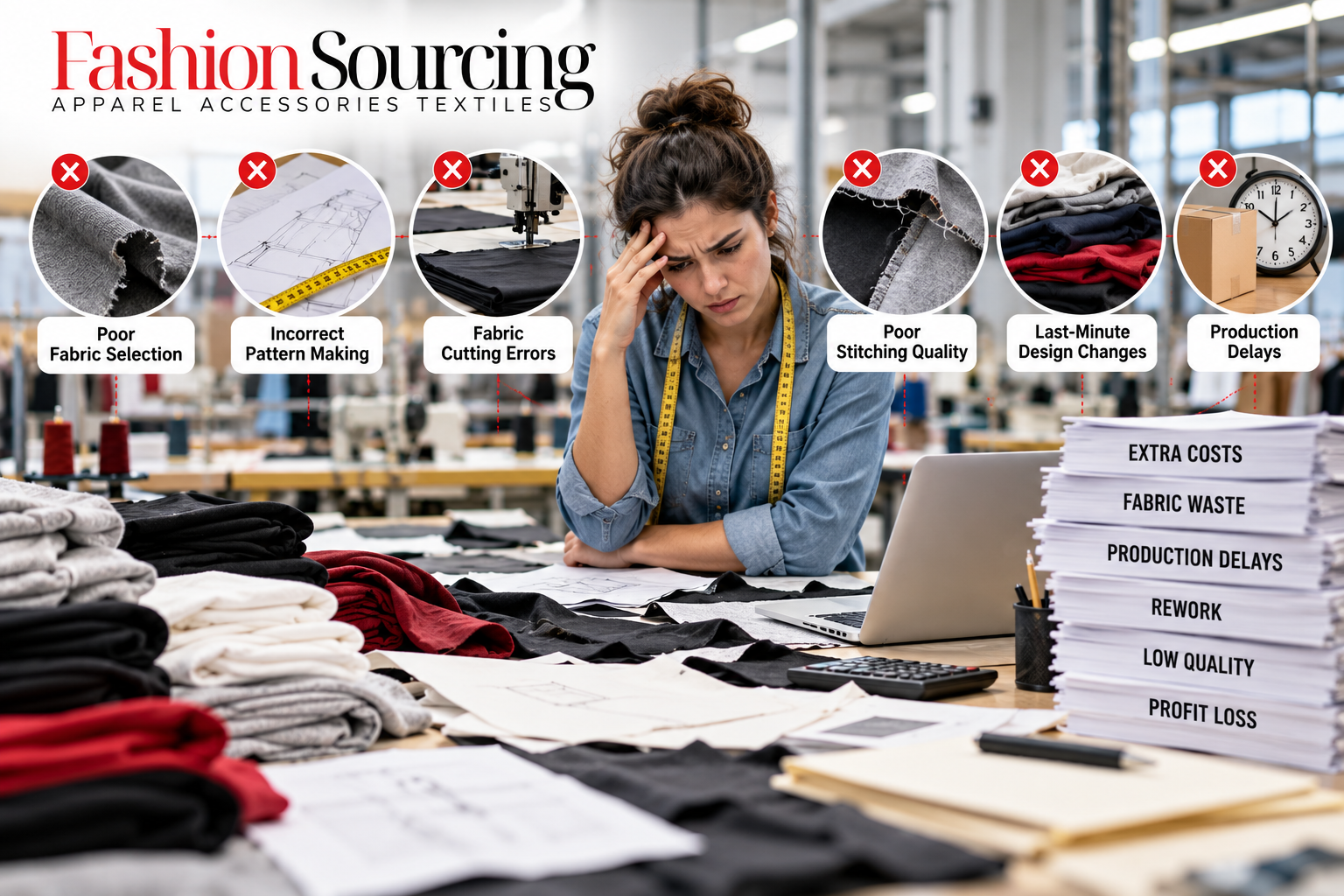
1. Poor Production Planning
Poor planning is one of the most common reasons for higher clothing manufacturing costs. When a factory does not have a clear production plan, workers may face delays, machines may remain unused, and materials may not arrive on time.
Before starting production, brands should confirm order quantities, delivery dates, fabric needs, and production schedules. Good planning helps clothing manufacturers use their time and resources more effectively.
2. Choosing the Wrong Fabric
Fabric selection affects both product quality and production costs. Choosing fabric only because it has a low price can lead to problems such as shrinking, color fading, or poor fitting.
These issues may require extra work or even a complete remake of the garments. To avoid this mistake, businesses should test fabric quality, weight, color, and shrinkage before placing large orders. Selecting the right fabric from the beginning helps reduce material waste and quality issues.
3. Incorrect Pattern Making and Size Grading
Pattern making is an important part of apparel manufacturing. Incorrect patterns can cause fitting problems, uneven garment shapes, and wasted fabric. Size grading mistakes can also lead to clothing that does not fit properly across different sizes.
When these errors are found after cutting or stitching, manufacturers may need to repeat several production steps. Creating accurate patterns, checking size measurements, and approving samples before bulk production can help prevent these extra costs.
4. Fabric Cutting Errors
Fabric cutting mistakes can create a large amount of waste. Incorrect marker placement, poor fabric alignment, and inaccurate measurements can make fabric pieces unusable.
Since fabric is often one of the largest expenses in clothing production, even a small increase in waste can affect the total order cost. Using accurate cutting markers, checking fabric layers, and training cutting teams can help improve fabric use and reduce unnecessary spending.
5. Skipping Sample Approval
Starting bulk production without approving a final sample is a costly mistake. A garment sample allows the brand to check the design, stitching, measurements, fabric, and overall appearance before manufacturing hundreds or thousands of pieces.
If the sample is not approved, the same mistake may appear throughout the entire order. Brands should review and approve the pre-production sample before giving the factory permission to begin bulk manufacturing.
6. Poor Stitching and Quality Control
Weak seams, loose threads, uneven stitching, and incorrect labels can reduce garment quality. If these problems are found during the final inspection, manufacturers may need to repair or replace finished products.
Quality checks should take place throughout the production process rather than only at the end. Regular inspections help identify small issues early, reducing repair costs and keeping production on schedule.
7. Last-Minute Design Changes
Changing a design after production has started can increase apparel manufacturing costs. A new pocket, different fabric, updated logo, or revised measurement may require new patterns, extra materials, and additional labor.
To avoid these problems, brands should finalize design details, measurements, labels, colors, and packaging before production begins. Clear communication between the brand and the clothing manufacturer also helps prevent confusion.
8. Ordering Materials Too Late
Late fabric, trims, buttons, zippers, or packaging supplies can stop production and delay delivery. Rush shipping and urgent material purchases may also cost more than planned.
Businesses should prepare a complete material list and order important supplies early. Working with reliable suppliers and keeping track of delivery dates can help prevent production delays.
9. Poor Communication With the Manufacturer
Unclear instructions can lead to incorrect designs, wrong colors, measurement errors, and packaging problems. These mistakes often result in extra labor, wasted materials, and missed deadlines.
Brands should share clear tech packs, measurement charts, reference images, and written production instructions. Regular updates with the apparel manufacturer help both sides understand the requirements and solve problems quickly.
10. Ignoring Production Costs During Planning
Focusing only on the cost per garment can lead to unexpected expenses. Shipping, packaging, fabric waste, sample development, quality checks, and rework can all affect the final cost.
Businesses should calculate the full clothing production cost before confirming an order. Comparing costs carefully and planning for possible changes can help brands set better prices and protect their profit margins.
FAQs About Apparel Production Mistakes
Question 1: What are the most common apparel production mistakes?
Answer: Common apparel production mistakes include poor planning, incorrect patterns, fabric cutting errors, poor stitching, and weak quality control.
Question 2: How do production mistakes increase clothing manufacturing costs?
Answer: Production mistakes increase costs by creating fabric waste, requiring extra labor, causing delays, and increasing repair or replacement expenses.
Question 3: How can clothing brands reduce apparel production costs?
Answer: Clothing brands can reduce production costs by planning orders carefully, choosing the right fabric, approving samples, and checking product quality throughout manufacturing.
Question 4: Why is sample approval important in garment manufacturing?
Answer: Sample approval helps brands identify design, fitting, fabric, and stitching problems before bulk production begins, reducing the risk of costly mistakes.
Question 5: How does fabric waste affect apparel production costs?
Answer: Fabric waste increases material expenses and reduces the number of garments that can be made from the available fabric, affecting overall production costs.
Question 6: What is the role of quality control in clothing manufacturing?
Answer: Quality control helps identify defects early, reduce rework, maintain consistent garment quality, and prevent customer complaints and product returns.
Question 7: How can manufacturers prevent fabric cutting mistakes?
Answer: Manufacturers can prevent cutting mistakes by using accurate patterns, proper marker layouts, trained workers, and careful fabric alignment.
Question 8: Do last-minute design changes increase production costs?
Answer: Yes, last-minute design changes can require new materials, updated patterns, additional labor, and production schedule changes, increasing manufacturing costs.
Question 9: How can startups avoid costly garment production errors?
Answer: Startups can avoid costly errors by preparing detailed tech packs, checking size measurements, approving samples, setting clear budgets, and communicating regularly with their clothing manufacturers.
Question 10: How can a clothing manufacturer help reduce production costs?
Answer: An experienced clothing manufacturer can reduce production costs through better planning, efficient fabric use, proper quality checks, skilled workers, and timely production management.
Stay updated on Fashion Sourcing, apparel manufacturing, and global supply chain trends:
Connect With Fashion Sourcing
- Instagram: @therealfashionsourcing
- Facebook: Fashion Sourcing
- Twitter/X: @therealfas19949
- LinkedIn: Fashion Sourcing
- Pinterest: Fashion Sourcing
- YouTube: @FashionSourcing-e5w
Visit www.fashion-sourcing.com for all sourcing and procurement needs.
For media & contact inquiries: hello@fashion-sourcing.com