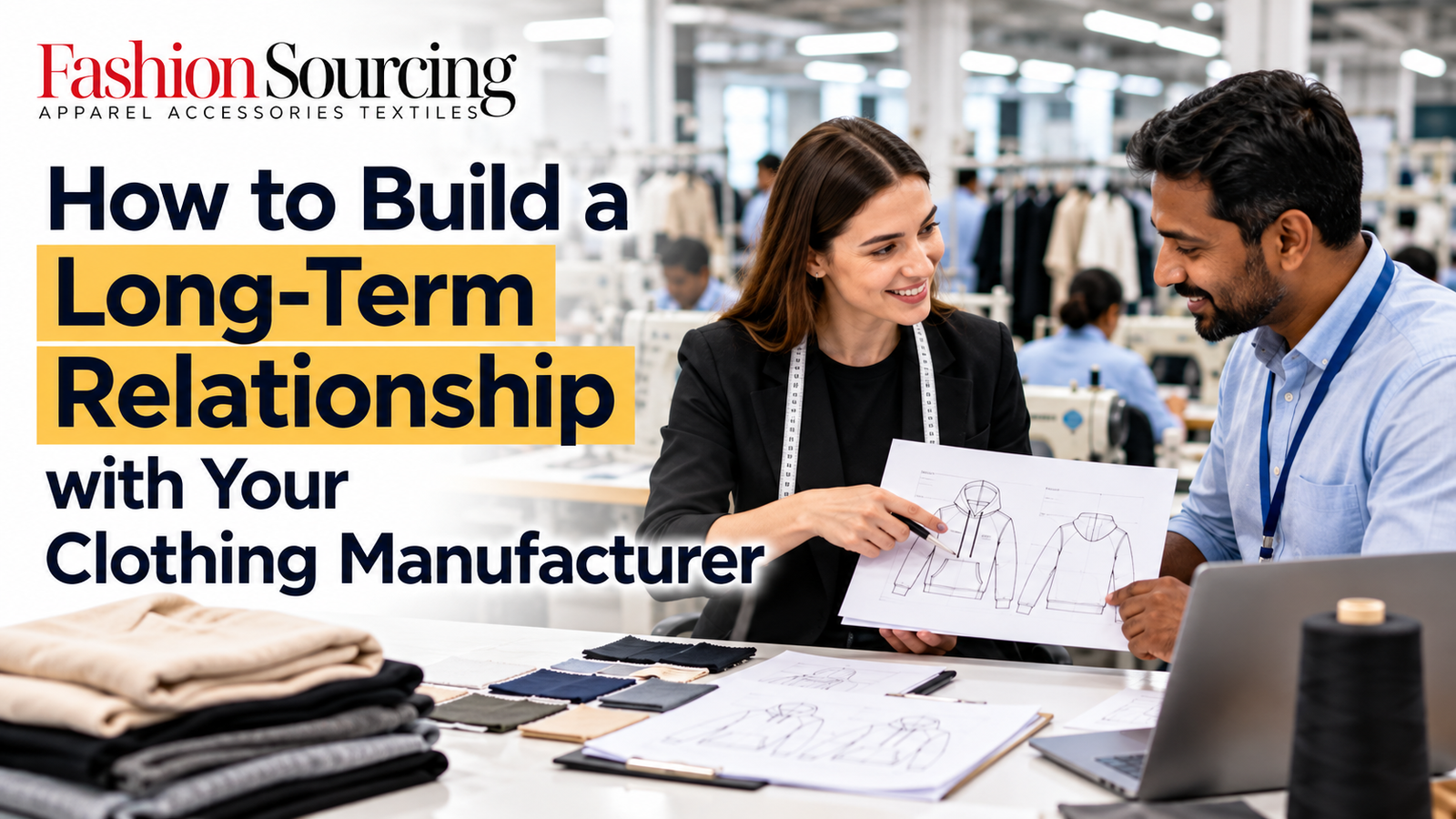
Building a long-term relationship with your clothing manufacturer is important for any fashion brand that wants to grow. A good manufacturing partner can help you maintain product quality, manage production costs, meet delivery dates, and bring new clothing ideas to life. However, a strong relationship does not happen overnight. It takes clear communication, trust, planning, and teamwork.
Whether you are starting a new clothing brand or managing an established fashion business, working closely with your manufacturer can make the production process easier and more reliable.
1. Choose the Right Clothing Manufacturer
The first step is to find a clothing manufacturer that understands your business needs. Look for a company with experience in your product category, such as streetwear, activewear, casual clothing, or sustainable apparel.
Before choosing a partner, discuss your production needs, order quantities, fabric choices, quality standards, and budget. Ask about their production process and delivery timelines. A manufacturer that understands your goals from the beginning is more likely to become a reliable partner as your business grows.
2. Communicate Clearly from the Start
Clear communication helps prevent mistakes during clothing production. Share all important details about your designs, sizes, fabrics, colors, stitching, labels, and packaging before production begins.
Tech packs, size charts, reference images, and product samples can help your manufacturer understand exactly what you need. If you want to make changes, explain them as early as possible.
Regular communication also helps both sides solve problems quickly. Instead of waiting until the final production stage, discuss concerns as soon as they appear.
3. Set Realistic Expectations
Every clothing manufacturer needs enough time to source materials, prepare samples, plan production, and complete quality checks. Setting realistic expectations helps avoid unnecessary pressure and delays.
Discuss production timelines, order quantities, payment terms, and delivery dates before confirming an order. Make sure both sides agree on the expected results.
If you have a product launch or seasonal collection planned, share your schedule early. This allows your manufacturer to plan resources and production capacity more effectively.
4. Focus on Quality, Not Just Price
Choosing a manufacturer based only on the lowest price can create problems later. Poor stitching, incorrect sizing, weak fabric, or inconsistent colors can affect customer satisfaction and damage your brand reputation.
Work with your manufacturer to set clear quality standards. Approve samples before bulk production and agree on how finished garments will be checked.
If a problem occurs, discuss it in a professional way and focus on finding a solution. Giving clear feedback helps your manufacturing partner understand your expectations for future orders.
5. Respect Your Manufacturer’s Time and Process
A successful business relationship works both ways. Just as you expect your manufacturer to respect your deadlines, you should also respect their production process.
Try to avoid last-minute design changes, late approvals, and unclear order details. Provide the required information on time and respond quickly when your manufacturer needs a decision.
Being organized makes production smoother and helps build trust. It also allows your manufacturer to plan upcoming orders with greater confidence.
6. Plan Orders in Advance
Long-term planning helps clothing brands and manufacturers work better together. If you expect higher demand during certain seasons, share your forecast early.
Discuss upcoming collections, repeat orders, new designs, and expected order quantities. This can help your manufacturer plan fabric sourcing, production schedules, and available capacity.
For growing brands, a steady working relationship may also make it easier to manage repeat orders and maintain consistent product quality.
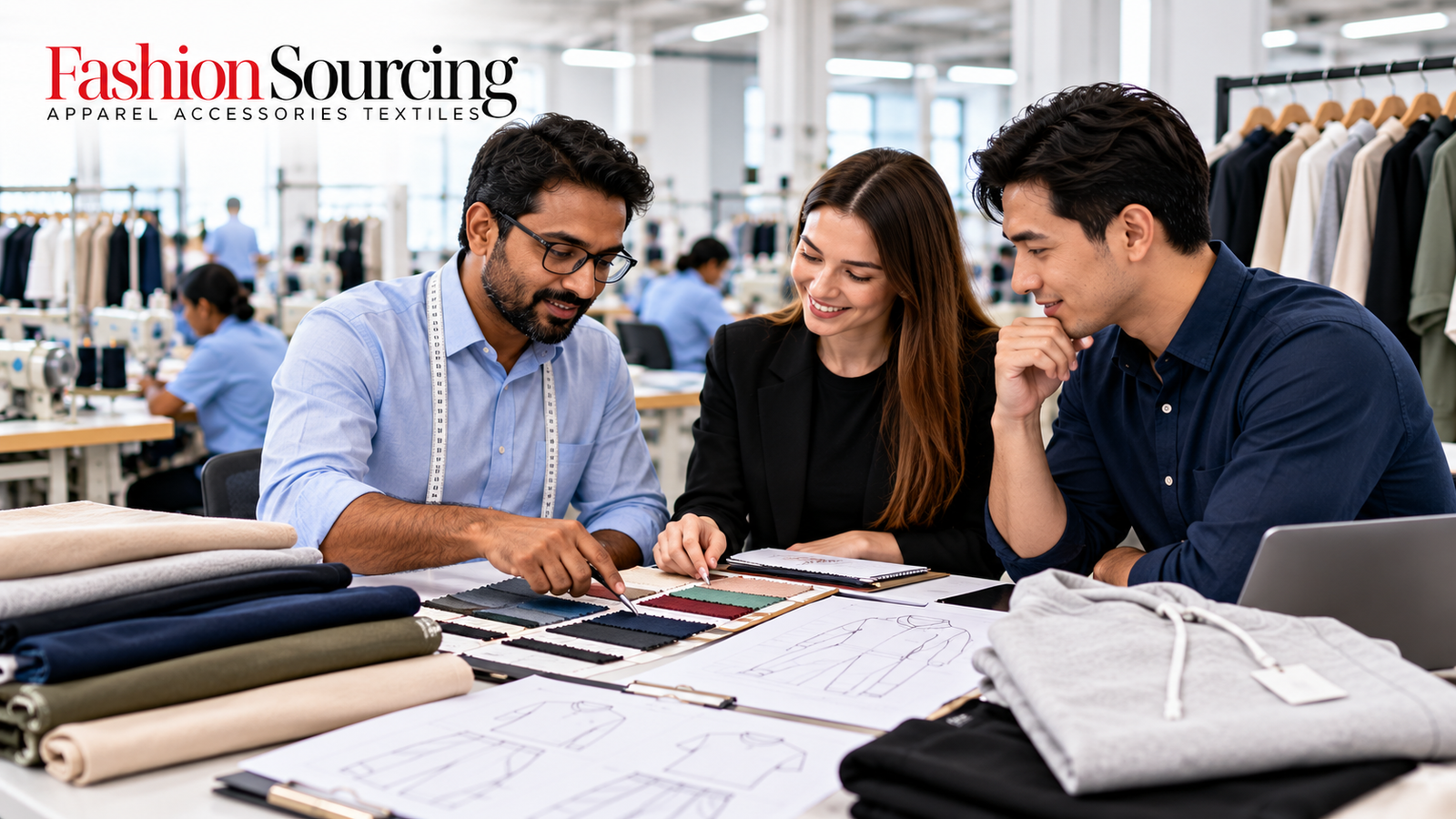
7. Give Honest Feedback and Stay Open to Ideas
Feedback is an important part of improving your products. If a sample does not meet your expectations, explain what needs to change and provide clear examples.
At the same time, listen to your manufacturer’s suggestions. Experienced clothing manufacturers may recommend better fabrics, improved stitching methods, more suitable materials, or production changes that help control costs without reducing quality.
Working together on these decisions can lead to better products and a stronger partnership.
8. Build Trust Through Consistent Business Practices
Trust grows when both sides keep their promises. Make payments according to agreed terms, approve samples on time, and provide accurate order details. Your manufacturer should also keep you informed about production progress, material availability, and possible delays.
If an unexpected issue occurs, discuss it honestly rather than allowing misunderstandings to grow.
For brands looking for a reliable clothing manufacturing partner, Fashion Sourcing can help connect product ideas with the planning and production support needed to develop clothing collections. Building a strong working relationship from the first order can create a better foundation for future growth.
Frequently Asked Questions (FAQs)
1. How can I build a long-term relationship with a clothing manufacturer?
You can build a long-term relationship by communicating clearly, setting realistic expectations, making payments on time, sharing accurate product details, and working together to solve production issues.
2. Why is a long-term relationship with a clothing manufacturer important?
A long-term relationship can help improve product quality, maintain consistent sizing, reduce production errors, support better planning, and make repeat orders easier to manage.
3. How do I choose the right clothing manufacturer for my brand?
Look for a manufacturer with experience in your product category, suitable production capacity, clear communication, reliable quality checks, and pricing that fits your budget.
4. How often should I communicate with my clothing manufacturer?
You should communicate whenever important decisions or updates are needed. Regular check-ins during sampling and production help you track progress and solve problems early.
5. How can I avoid misunderstandings with my clothing manufacturer?
Share clear tech packs, size charts, fabric details, approved samples, and written instructions. Confirm important decisions in writing so both sides understand the requirements.
6. What should I discuss with a clothing manufacturer before starting production?
Discuss minimum order quantities, fabric sourcing, sample costs, production pricing, payment terms, quality standards, production timelines, shipping arrangements, and policies for handling defective garments.
7. How can I maintain consistent clothing quality across repeat orders?
Keep approved samples, document fabric specifications, confirm measurements and colors, and agree on quality inspection standards. Review each production run to identify any changes or issues.
8. What should I do if my clothing manufacturer makes a mistake?
Explain the problem clearly, share photos or samples if needed, and compare the finished garments with the agreed specifications. Discuss a fair solution and agree on steps to prevent the same issue in future orders.
9. Can small clothing brands build long-term relationships with manufacturers?
Yes. Small clothing brands can build strong partnerships by choosing a manufacturer that accepts their order quantities, planning production carefully, paying on time, and communicating their future business goals.
10. How can a clothing manufacturer help my fashion brand grow?
A reliable clothing manufacturer can support product development, fabric sourcing, sample making, bulk production, quality control, and repeat orders. A strong partnership can help your brand manage growth more smoothly as demand increases.