Starting a clothing brand involves more than choosing designs, fabrics, and colors. You also need a clear agreement with your clothing manufacturer to make sure everything runs smoothly. A clothing manufacturing contract helps both sides understand their duties, costs, deadlines, and quality standards before production begins.
Whether you are launching a new fashion brand or expanding an existing clothing business, understanding manufacturing contracts can help you avoid costly mistakes and build a strong working relationship with your manufacturer.
What Is a Clothing Manufacturing Contract?
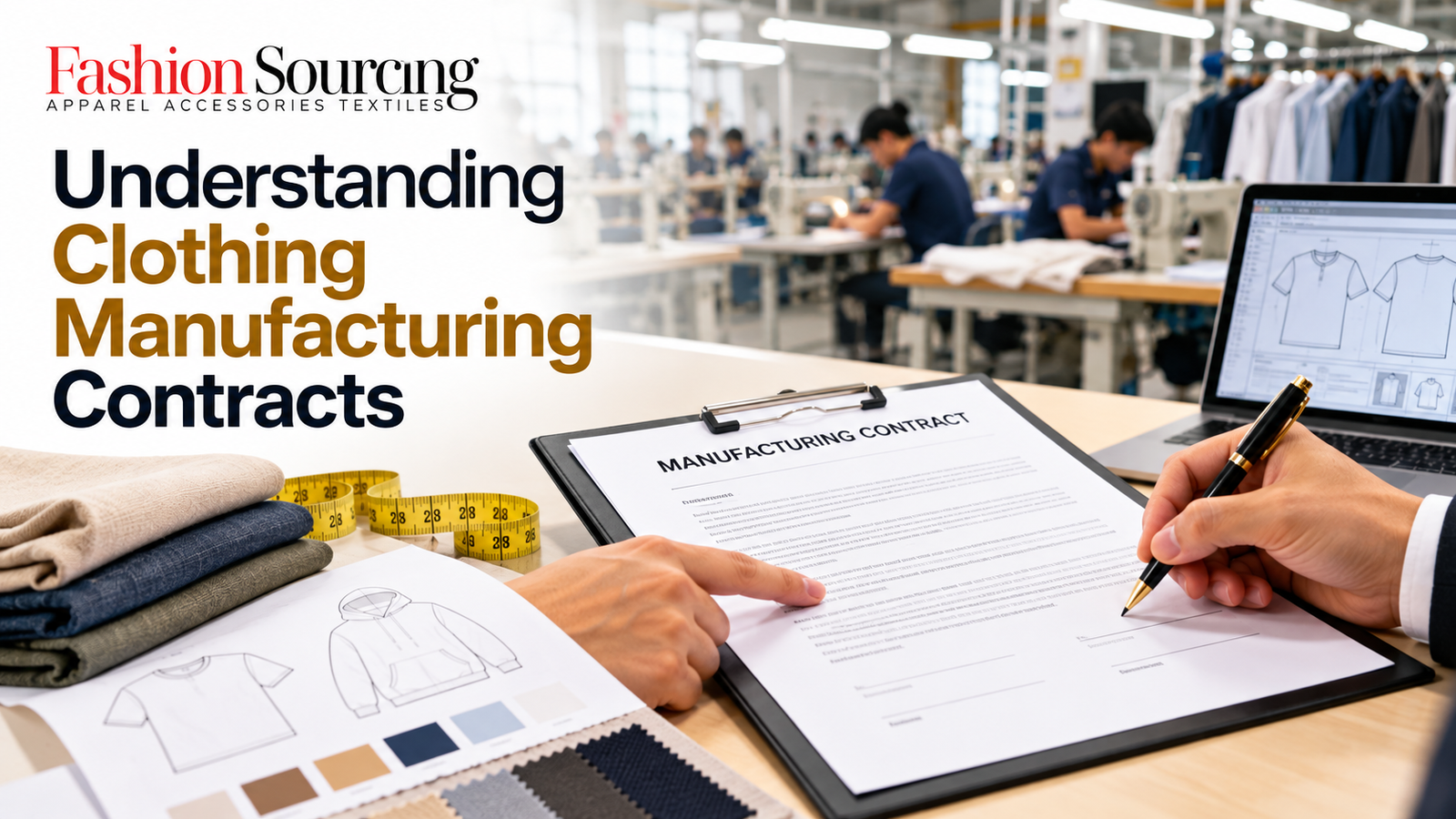
A clothing manufacturing contract is a written agreement between a clothing brand and a manufacturer. It explains how the garments will be made, what materials will be used, how much production will cost, and when the finished products should be delivered.
The contract also covers important details such as payment terms, product quality, design ownership, and what happens if something goes wrong.
Having everything in writing reduces confusion and helps both parties work toward the same goal.
Why Are Clothing Manufacturing Contracts Important?
A manufacturing contract protects your business by setting clear expectations before production starts. Without a proper agreement, you may face problems such as unexpected costs, late deliveries, poor garment quality, or disagreements about your designs.
For new clothing brands, these issues can affect budgets, launch dates, and customer trust.
A clear contract helps you manage production with greater confidence. It also gives your manufacturer a better understanding of your requirements, making it easier to plan materials, workers, and production schedules.
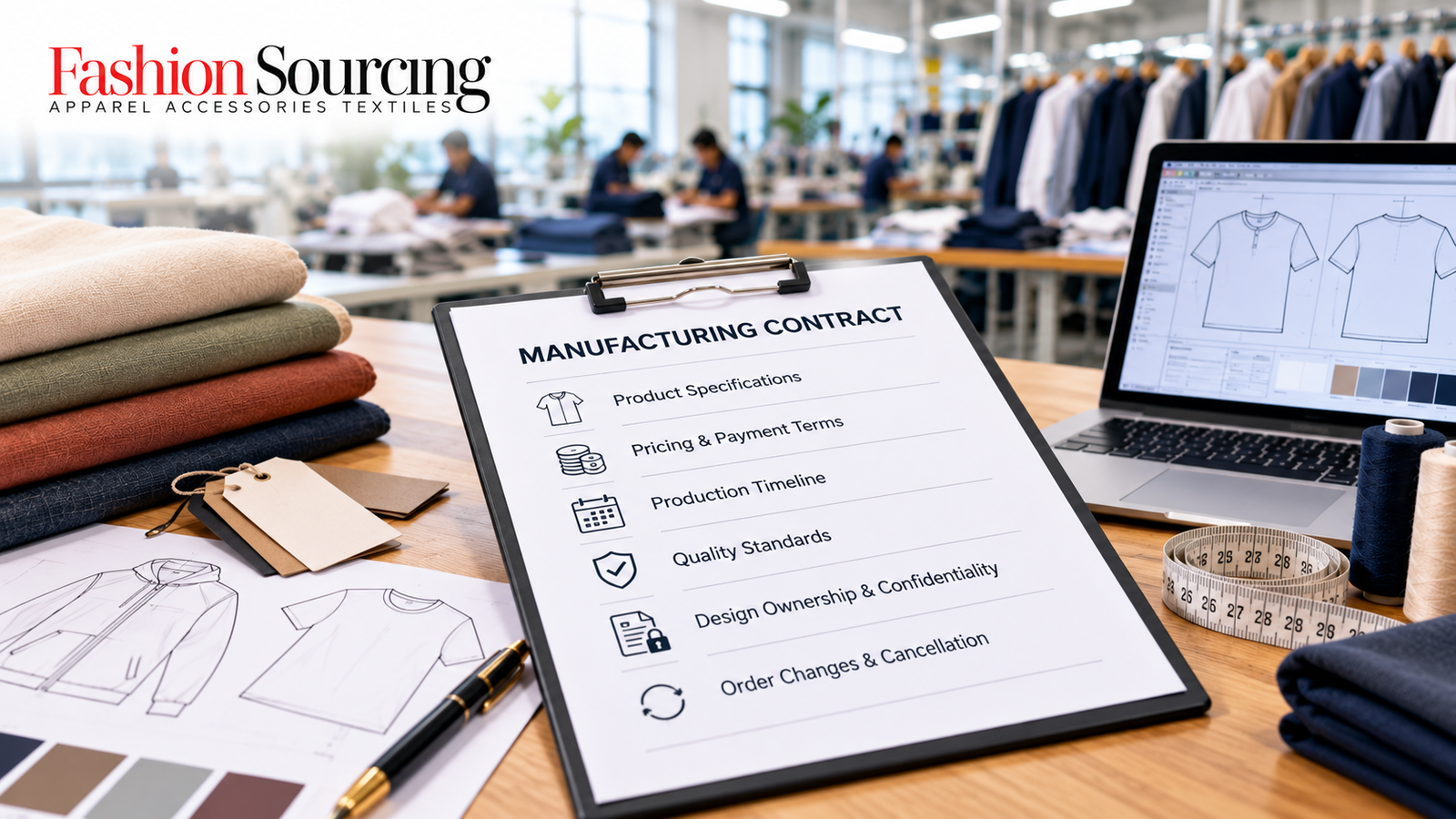
Key Details Every Manufacturing Contract Should Include
1. Product Specifications
Your contract should clearly describe the garments you want to produce. Include details such as fabric type, colors, sizes, measurements, stitching, labels, prints, and packaging requirements.
You can attach a tech pack, approved sample, or product specification sheet to the agreement. This helps the manufacturer understand your expectations and reduces the risk of mistakes during production.
2. Pricing and Payment Terms
Make sure the contract explains the total manufacturing cost and what is included in that price. Ask whether fabric, trims, labels, packaging, and shipping are included or charged separately.
It should also explain the payment schedule, including any deposit, payment before shipment, or final balance. Clear payment terms help both parties manage their budgets and avoid disagreements.
3. Production Timeline and Delivery Date
A reliable contract should include the expected production start date, key milestones, and final delivery date.
It is also useful to explain what happens if production is delayed because of material shortages, quality issues, or other unexpected problems. Clear timelines help you plan product launches, marketing campaigns, and stock availability.
4. Quality Standards and Inspection
Quality is one of the most important parts of clothing manufacturing. Your agreement should explain the expected quality standards and how finished garments will be checked.
It should also state what happens if products do not meet the agreed requirements. Depending on the agreement, the manufacturer may need to repair, replace, or remake defective garments.
5. Design Ownership and Confidentiality
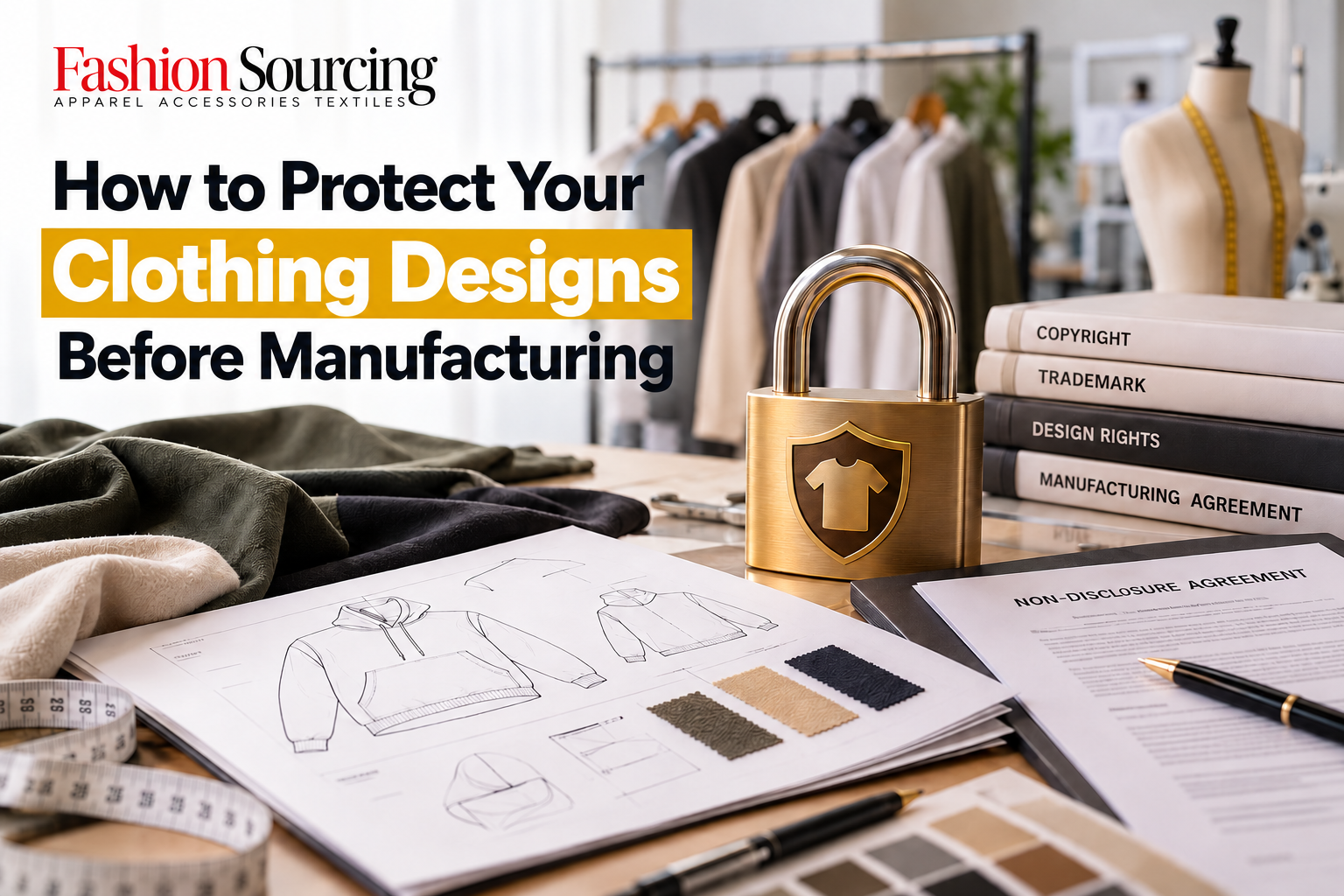
Your clothing designs, tech packs, logos, and original artwork are valuable business assets. The contract should explain who owns these materials and how the manufacturer can use them.
A confidentiality clause can help protect your business information and prevent unauthorized sharing of your designs. You should also confirm that the manufacturer cannot use your designs for other customers without permission.
6. Order Changes and Cancellation
Sometimes you may need to change a size chart, update a design, increase an order, or cancel production.
Your contract should explain how changes are approved, whether extra charges apply, and what happens to payments already made. This can help prevent unexpected costs and delays.
Common Mistakes to Avoid
One common mistake is relying only on verbal promises or informal messages. Another is signing an agreement without checking the product specifications, delivery terms, or payment conditions.
Avoid unclear quality requirements and never assume that the manufacturer automatically owns or protects your designs in the way you expect. Read the full contract carefully before signing, and seek legal advice when the order value or business risk is high.
Understanding clothing manufacturing contracts is an important step toward building a successful clothing brand. A well-written agreement helps protect your designs, control production costs, set quality standards, and keep deliveries on track.
Before starting production, make sure both you and your manufacturer agree on every important detail. Working with a reliable manufacturing partner like Fashion Sourcing can help clothing brands manage their sourcing and production needs with greater clarity and confidence.
Frequently Asked Questions About Clothing Manufacturing Contracts
1. What is a clothing manufacturing contract?
A clothing manufacturing contract is a written agreement between a clothing brand and a manufacturer. It explains product details, fabric requirements, production costs, payment terms, delivery dates, quality standards, and other important conditions.
2. Why is a manufacturing contract important for clothing brands?
A manufacturing contract helps clothing brands avoid misunderstandings, control production costs, protect their designs, and set clear expectations for product quality and delivery. It also explains how problems such as delays or defective garments will be handled.
3. What should be included in a clothing manufacturing agreement?
A clothing manufacturing agreement should include product specifications, fabric details, order quantities, pricing, payment schedules, production timelines, quality standards, delivery terms, design ownership, confidentiality, and cancellation policies.
4. How can I protect my clothing designs when working with a manufacturer?
You can protect your clothing designs by using a written confidentiality agreement, clearly defining design ownership, limiting unauthorized use of your tech packs and artwork, and exploring suitable intellectual property protections. The exact protection depends on the design and the laws that apply.
5. Who owns the clothing designs after manufacturing?
Design ownership depends on the contract, existing intellectual property rights, and applicable law. Clothing brands should clearly state who owns the original designs, logos, patterns, tech packs, and artwork before production begins.
6. How are payment terms decided in clothing manufacturing contracts?
Payment terms depend on the manufacturer, order size, materials, and production requirements. Common arrangements include an advance payment followed by one or more payments during production or before shipment. All payment amounts, due dates, and extra charges should be agreed upon in writing.
7. What happens if a clothing manufacturer delivers defective products?
The contract should explain how defective garments are identified, inspected, and reported. Depending on the agreed terms, the manufacturer may need to repair, replace, or remake the products. It should also define deadlines for reporting defects and resolving quality issues.
8. Can I cancel a clothing manufacturing order after signing a contract?
Order cancellation depends on the contract’s cancellation terms and applicable law. The agreement should explain whether cancellation is allowed, what notice is required, and whether deposits, material costs, or completed production work are refundable.
9. How can clothing brands avoid delays in garment production?
Clothing brands can reduce production delays by approving samples on time, providing complete tech packs, confirming fabric availability, agreeing on realistic deadlines, and maintaining regular communication with the manufacturer. The contract should also explain how unexpected delays will be managed.
10. How do I choose a reliable clothing manufacturer for my brand?
Choose a manufacturer with relevant product experience, clear communication, suitable production capacity, consistent quality standards, and transparent pricing. Review samples, discuss minimum order quantities, check references when possible, and sign a clear manufacturing agreement before starting bulk production.
Looking for clothing manufacturing support? Fashion Sourcing helps clothing brands explore apparel sourcing, manufacturing, and production needs. Visit Fashion Sourcing to learn more about planning your next clothing collection.