More shoppers today are paying attention to what their clothes are made of, not just how they look. That shift has put pressure on fashion brands, big and small, to rethink where their fabric comes from. But sourcing eco-friendly material isn’t as simple as typing “sustainable fabric supplier” into a search bar and picking the first result. It takes a bit of research, some honest questions, and a willingness to look past flashy marketing claims.
If you’re trying to build a more sustainable supply chain for your brand, here’s how to approach it the right way.
Start by understanding what “eco-friendly” actually means
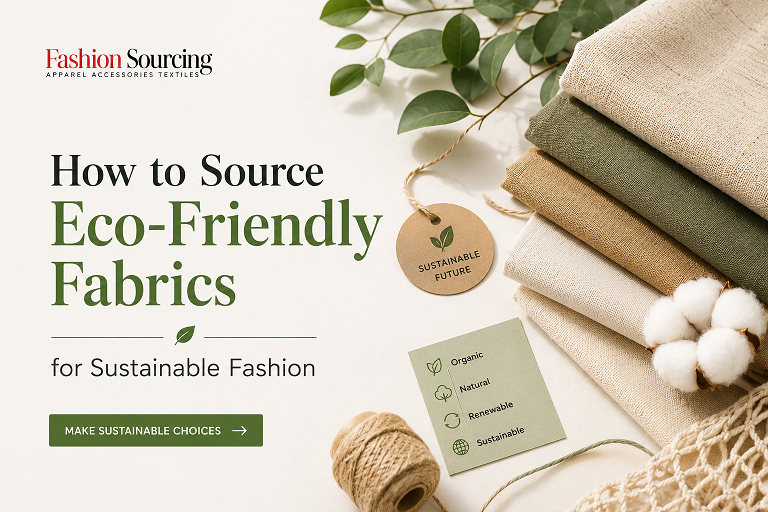
The term gets used loosely, so it helps to know what you’re really looking for before you start contacting suppliers. Generally, eco-friendly fabrics fall into a few categories:
- Organic materials, like organic cotton or hemp, grown without synthetic pesticides
- Recycled fabrics, made from post-consumer plastic, deadstock fabric, or recycled cotton
- Low-impact dyed fabrics, which use less water and fewer harmful chemicals during coloring
- Biodegradable fibers, such as Tencel or bamboo-based fabrics, that break down naturally over time
Knowing which category matters most to your brand’s values will make your supplier search far more focused.
Ask suppliers for real certifications, not just claims
Anyone can say their fabric is sustainable. What actually backs that claim is a certification. Look for labels like GOTS (Global Organic Textile Standard), OEKO-TEX, or Fair Trade Certified. If a supplier can’t provide documentation, treat that as a warning sign rather than an oversight.
Request fabric samples before committing
Sustainable doesn’t always mean compromising on quality, but it’s still worth checking. Ask for swatches so you can test durability, texture, and how the fabric holds up after washing. This step also helps you compare eco-friendly options against your current materials.
Look into the supplier’s production process, not just the fabric
A fabric can be technically organic but still produced in a factory with poor labor practices or heavy water waste. Ask suppliers about their dyeing process, water usage, and energy sources. True sustainability covers the entire production chain, not just the raw fiber.
Consider working with smaller or regional suppliers
Large-scale international shipping adds to a garment’s carbon footprint. Where possible, look into local or regional fabric mills. This can also shorten your lead times and make communication easier throughout production.
Factor in cost realistically
Eco-friendly fabrics often cost more than conventional ones, at least for now. Build this into your pricing strategy early rather than being caught off guard later. Being transparent with customers about why your pricing reflects sustainable sourcing can actually strengthen brand trust rather than push people away.
Build long-term supplier relationships
Sustainability works best as an ongoing partnership rather than a one-time purchase. Suppliers who understand your brand’s goals are more likely to notify you about new eco-friendly fabric options as they become available.
Sourcing sustainably takes more effort than sticking with conventional fabric suppliers, but it pays off through stronger brand credibility and a supply chain you can actually stand behind. Customers are increasingly good at spotting the difference between real sustainability efforts and surface-level marketing, so the work is worth it.
If you’re not sure where to begin, platforms like Fashion Sourcing can connect you with vetted, eco-conscious fabric suppliers, saving you the time of researching and verifying each one individually.
Building a sustainable fashion brand isn’t about being perfect overnight. It’s about making better sourcing decisions consistently, one fabric choice at a time.
FAQs: How to Source Eco-Friendly Fabrics for Sustainable Fashion
1. What are the best eco-friendly fabrics for sustainable fashion?
Popular options include organic cotton, recycled polyester, Tencel™/Lyocell, hemp, linen, recycled cotton, and bamboo-based fabrics. The best choice depends on your product, performance needs, budget, and sustainability goals.
2. How can I verify if a fabric is truly sustainable?
Ask suppliers for recognized certifications such as GOTS, GRS, OEKO-TEX®, FSC®, or RCS, depending on the material. Also verify certification numbers and request documentation rather than relying only on sustainability claims.
3. How do I find reliable eco-friendly fabric suppliers?
Research specialized sustainable textile suppliers, check their certifications and manufacturing practices, request fabric samples, compare quality and pricing, and evaluate their MOQ, lead times, production capacity, and transparency.
4. Are sustainable fabrics more expensive than conventional fabrics?
They can be more expensive due to certified raw materials, responsible production processes, and smaller production volumes. However, costs can often be managed through proper sourcing, bulk orders, fabric selection, and long-term supplier relationships.
5. What should brands consider before choosing an eco-friendly fabric?
Consider the fabric’s sustainability credentials, durability, feel, weight, performance, care requirements, availability, MOQ, price, certifications, and suitability for your specific garment. A sustainable fabric should also meet your product’s quality and customer expectations.