Walking into your first conversation with a manufacturer can feel a little overwhelming. People start throwing around terms like “tech pack” or “MOQ” as if everyone already knows what they mean, and if you’re new to the industry, it’s easy to nod along while quietly feeling lost. The truth is, once you understand the basic vocabulary, the entire manufacturing process becomes far less intimidating.
Clothing Manufacturing Terms:
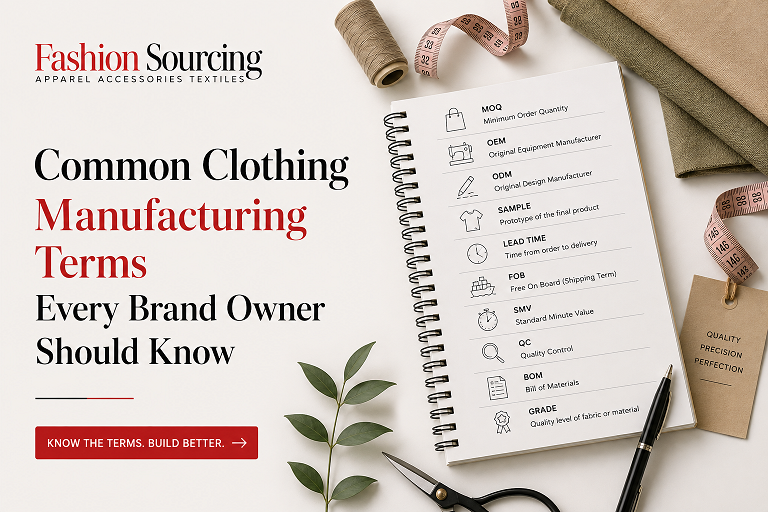
Here’s a simple breakdown of the terms you’ll hear most often, explained in plain language.
MOQ (Minimum Order Quantity) This is the smallest number of units a manufacturer is willing to produce per style or per order. MOQs vary widely depending on the factory, fabric, and production method, so it’s one of the first things to clarify before choosing a supplier.
Tech Pack Think of this as the blueprint of your garment. It includes measurements, materials, stitching details, colorways, and any other specifications a factory needs to produce your design accurately. A well-prepared tech pack reduces mistakes and back-and-forth revisions.
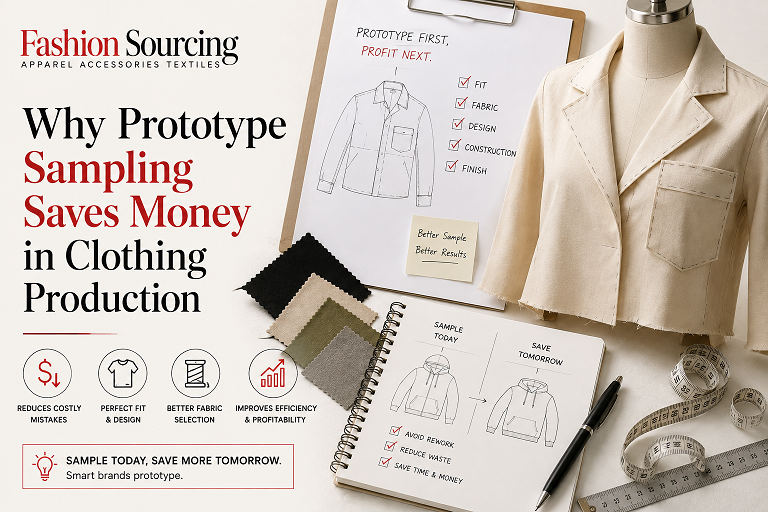
Sample (or Proto Sample) Before mass production begins, the factory creates a sample so you can check fit, fabric, and construction. It’s normal to go through a few rounds of samples before everything looks right.
Fit Sample This specific type of sample focuses purely on how the garment fits a body, rather than final fabric or color. It helps catch sizing issues early.
Lead Time This refers to the total time it takes from placing an order to receiving the finished goods. Lead times can shift depending on fabric availability, order size, and the season.
Cut and Sew This term describes the standard manufacturing process where fabric is cut into pattern pieces and then sewn together to form the garment, as opposed to knitting a piece directly into shape.
Private Label When a manufacturer produces a product using your brand’s design and label, rather than their own generic product line, that’s private labeling. Many small brands start this way before eventually developing fully custom garments.
White Label Similar to private labeling, but here the product itself is generic and pre-made. You simply add your branding to it. It’s a faster, cheaper route for brands just getting started.
GSM (Grams per Square Meter) This measures fabric weight and thickness. A higher GSM usually means a heavier, more durable fabric, which matters a lot depending on the type of clothing you’re producing.
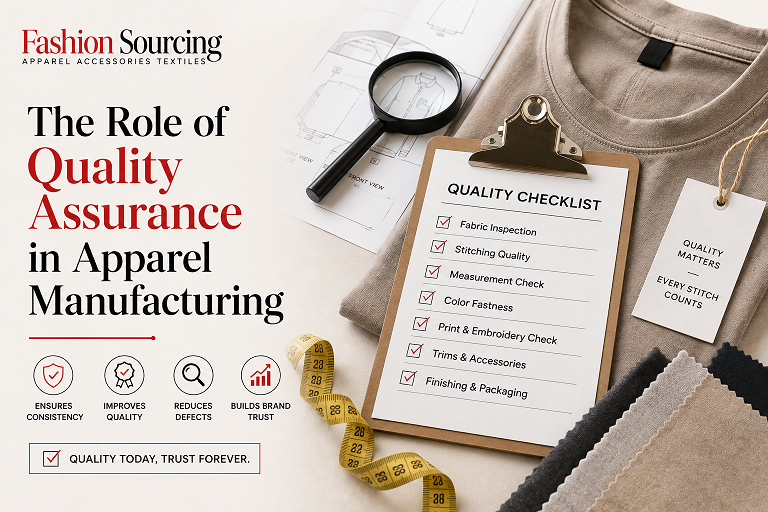
Quality Control (QC) This is the inspection process manufacturers use to catch defects before shipping. QC can happen at different stages, including during production and right before packing.
FOB (Free on Board) A shipping term indicating that the seller covers costs until the goods are loaded onto a shipping vessel, after which responsibility shifts to the buyer. It’s commonly used in international manufacturing deals.
Bulk Production Once samples are approved, this is the full-scale manufacturing run based on your final order quantity.
Understanding this basic vocabulary puts you in a much stronger position when negotiating with manufacturers or comparing quotes from different suppliers. It also helps you spot red flags early, like vague answers about lead times or unclear tech pack requirements.
If navigating all of this still feels like a lot, platforms like Fashion Sourcing can help simplify things by connecting you directly with manufacturers who are used to working with brands at every stage, from first-timers to established labels scaling production.
At the end, manufacturing terminology isn’t as complicated as it sounds once you’ve heard it a few times. The more familiar you become with these terms, the more confident you’ll feel walking into your next supplier conversation.