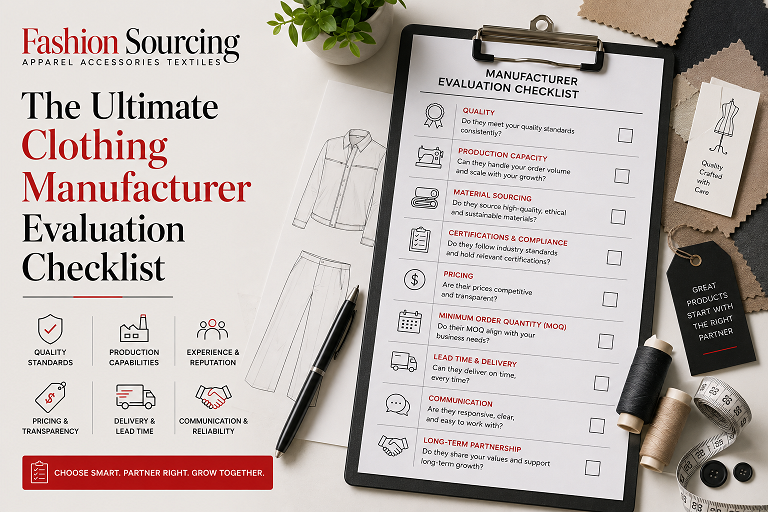
Quality is one of those words that gets used constantly in fashion but is rarely explained in any meaningful way. Every brand claims to offer it. Every product description promises it. But for consumers who have experienced a seam unraveling after three wears, a color fading after one wash, or a fabric pilling within weeks of purchase, the gap between claimed quality and delivered quality is painfully obvious. So what actually makes a garment high quality? The answer lies in a combination of material selection, construction techniques, finishing standards, and the sourcing decisions made long before a single stitch is sewn.
It Starts With the Fabric
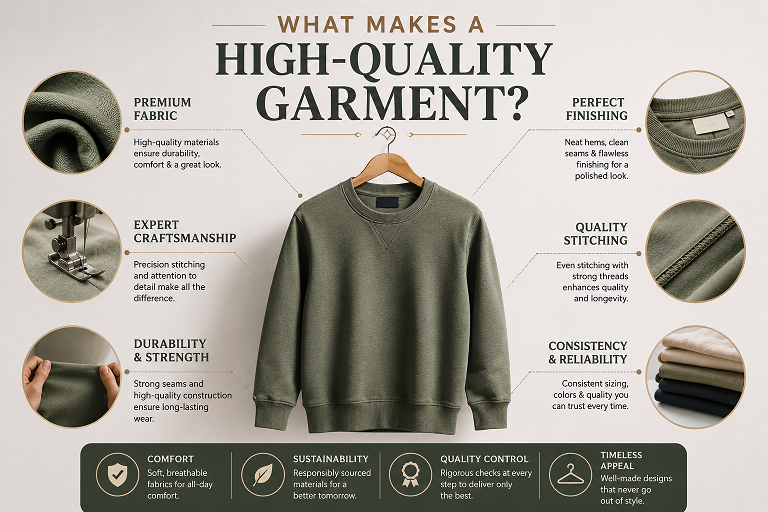
The foundation of any high-quality garment is the fabric it’s made from. Fabric quality is determined by fiber content, yarn weight, weave or knit structure, and finishing treatments applied during manufacturing. Natural fibers like long-staple cotton, merino wool, and silk have inherent properties — breathability, softness, drape, and durability — that synthetic alternatives often struggle to replicate. That said, modern technical fabrics and high-grade synthetic blends can perform exceptionally well when they’re engineered correctly and sourced from reputable mills.
Thread count, GSM (grams per square meter), and yarn twist all contribute to how a fabric feels in hand, how it behaves during wear, and how well it holds up over time. A fabric that feels luxurious in a showroom but pills, shrinks, or distorts after washing is not a quality fabric — it’s a well-presented one. True fabric quality reveals itself through repeated use, and experienced brands invest in proper fabric testing before committing to bulk production.
Construction Is Where Quality Becomes Visible
Even the finest fabric will underdeliver if it’s poorly constructed. Seam quality, stitch density, thread tension, and finishing techniques are all critical indicators of garment construction. High-quality garments use appropriate stitch types for each fabric and application — overlock stitching for stretch knits, lockstitching for structured wovens, and coverstitching for clean, durable hems. Seam allowances are generous enough to prevent fraying, and stress points like pocket corners, belt loops, and buttonholes are reinforced to withstand real-world wear.
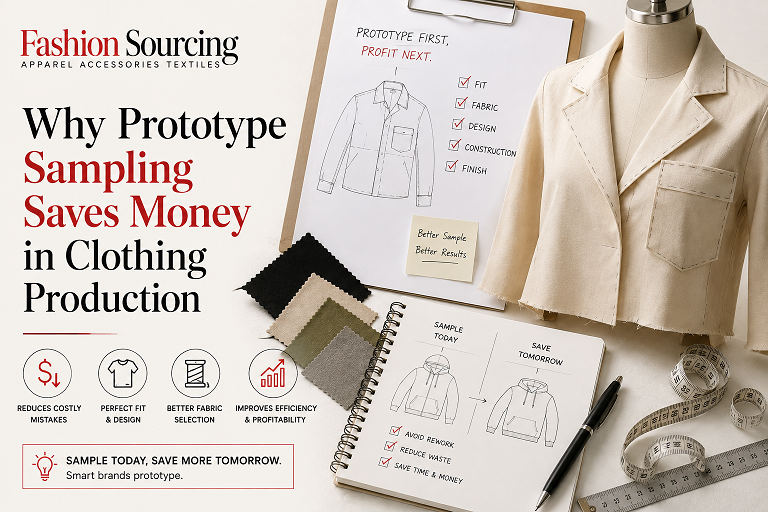
Pattern making and grading also play a significant role. A well-drafted pattern ensures the garment sits correctly on the body, hangs with the right weight and drape, and maintains its shape after washing. Fit consistency across sizes — something that requires precise grading and careful sampling — is a hallmark of brands that take construction seriously. Brands that prioritize this level of detail, often through strong Fashion Sourcing partnerships, consistently deliver products that feel considered and professional rather than rushed and generic.
The Details That Define a Premium Product
High-quality garments are defined as much by their details as by their main materials and construction. Buttons that are securely anchored with thread shanks and backings. Zippers that glide smoothly and align perfectly with the seam. Labels that are soft against the skin and printed with ink that doesn’t crack or fade. Hems that lie flat and even without puckering. Lining that is cut on the same grain as the shell fabric to prevent twisting. These finishing details are often invisible to consumers until they’re absent — and their absence is immediately felt.
Brands that consistently get these details right tend to share one common trait: they work with experienced manufacturing and sourcing partners who understand that quality is built into a product at every stage of its development, not added at the end. Accessing that kind of expertise, whether through a dedicated production partner or a B2B Ecommerce Clothing Platform USA that connects brands with vetted suppliers, is one of the most reliable ways to elevate the quality standard of your entire line.
Quality Is a System, Not a Moment
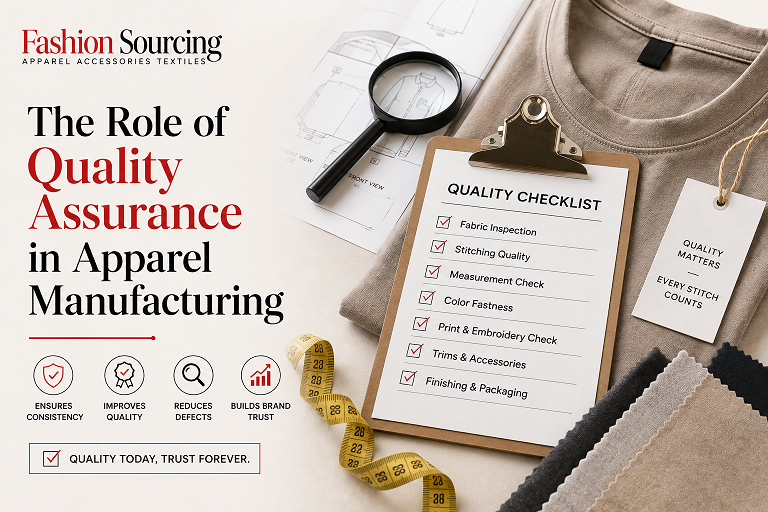
Ultimately, garment quality is not a single decision — it’s the outcome of dozens of decisions made consistently across design, sourcing, production, and quality control. Brands that build quality into their process from the very first stage of development produce better products, generate fewer returns, and build stronger customer loyalty than those who treat quality as a finishing inspection rather than a foundational standard. In an industry where consumers are more educated and more discerning than ever, that commitment to genuine quality is not just a differentiator — it’s a survival strategy.
Stay updated on Fashion Sourcing, apparel manufacturing, and global supply chain trends:
Connect With Fashion Sourcing
- Instagram: @therealfashionsourcing
- Facebook: Fashion Sourcing
- Twitter/X: @therealfas19949
- LinkedIn: Fashion Sourcing
- Pinterest: Fashion Sourcing
- YouTube: @FashionSourcing-e5w
Visit www.fashion-sourcing.com for all sourcing and procurement needs.
For media & contact inquiries: hello@fashion-sourcing.com