Building a seasonal clothing collection from scratch is one of the most exciting – and demanding – challenges in the fashion business. Whether you’re launching your very first drop or planning your brand’s third or fourth season, the process of taking a collection from concept to consumer involves a carefully sequenced series of decisions, each one influencing the next. The brands that do this well aren’t necessarily the ones with the biggest budgets or the most experienced teams. They’re the ones with the clearest process. This guide walks you through every key stage of building a seasonal collection that is cohesive, marketable, and ready to sell.
Start With a Creative Direction and Mood Board
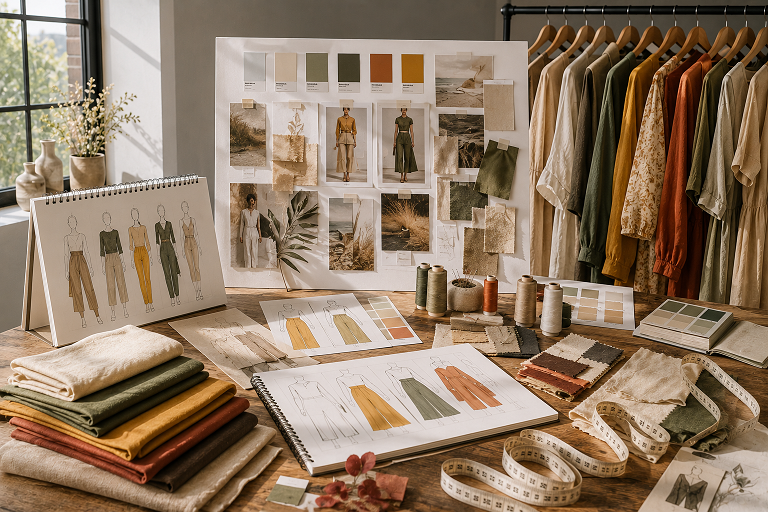
Every strong collection begins with a clear creative direction. Before you sketch a single silhouette or select a single fabric, you need to define the story you’re telling this season. What’s the mood? What’s the cultural moment, the color palette, the customer lifestyle you’re designing for? A well-constructed mood board pulls together visual references — runway images, street photography, art, interiors, nature, texture — to establish the emotional world your collection will live in. This creative foundation keeps your decision-making consistent throughout the entire development process and gives your marketing team something meaningful to build a campaign around.
Define Your Key Pieces and Collection Architecture
Once you have a creative direction, it’s time to plan the structure of your collection. A seasonal collection typically needs a mix of hero pieces – the statement items that drive press and social attention – and core pieces that are wearable, versatile, and commercially strong. A well-balanced collection of eight to fifteen pieces is usually enough for a startup or emerging brand to make an impact without overextending production budgets. Map out which categories you’ll cover (tops, bottoms, outerwear, knitwear, accessories) and decide how many colorways each piece will be offered in. This architecture document becomes the blueprint for everything that follows.
Research Trends Without Losing Your Brand Identity
Seasonal trend research is important, but the most successful brands use trends as a filter rather than a blueprint. Attend trade shows, follow key trend forecasting platforms, and pay attention to what’s happening in adjacent industries like interiors, automotive, and technology — these often signal where fashion is heading six to twelve months later. The goal isn’t to copy what’s trending but to identify how current cultural movements intersect with your brand’s existing aesthetic and customer base. Collections that feel both current and authentic consistently outperform those that chase trends without a strong point of view.
Build Your Sourcing and Production Timeline
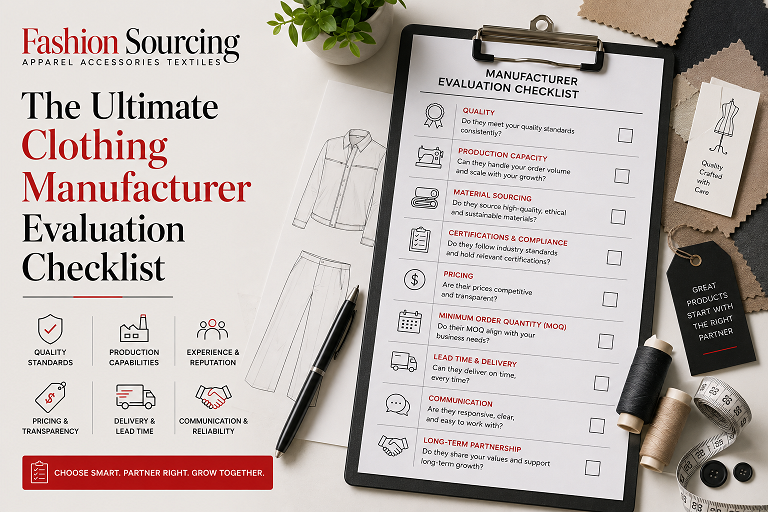
This is where creative vision meets operational reality. A seasonal collection needs a detailed production calendar that works backward from your target delivery date. Fabric sourcing, trim ordering, sampling, fit approvals, bulk production, quality control, and shipping all need their own time allocations – and delays in any one stage cascade through the rest. Effective Fashion Sourcing is the backbone of this entire process. Finding the right fabrics, manufacturers, and trim suppliers — and coordinating them all to hit the same production window – is a skill that separates brands that scale from those that stall.
Most emerging brands underestimate how long sourcing takes. Custom fabrics can have lead times of eight to twelve weeks. Trim orders for branded labels, buttons, and hardware often take four to six weeks. Factor these into your calendar from the very beginning, and build in buffer time at every stage for the inevitable delays that come with garment production.
Sample, Refine, and Approve
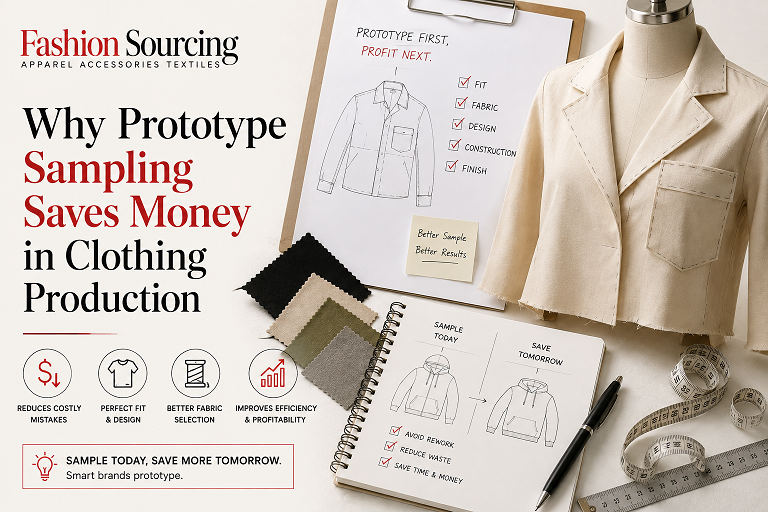
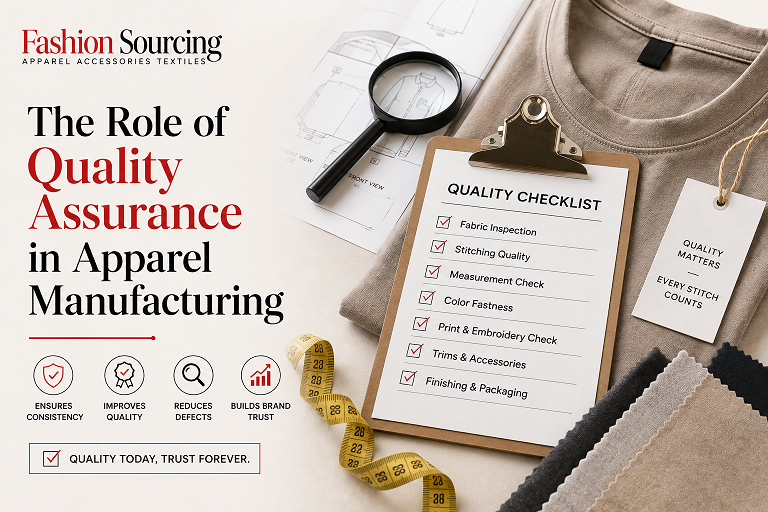
The sampling process is where your collection truly comes to life — and where the hardest decisions get made. First samples rarely come back perfect. Fit issues, fabric inconsistencies, color discrepancies, and construction details almost always need addressing before you reach a final approved sample. Budget for at least two rounds of sampling per style, and approach each round systematically — creating detailed comment sheets that clearly communicate every change needed so nothing gets missed or misinterpreted by your production team.
Photo-ready, approved samples are also essential for your marketing assets. Lookbook shoots, e-commerce product photography, and social media content all depend on having final samples in hand well before your launch date, which means your sample approval timeline and your marketing calendar need to be synchronized.
Plan Your Go-to-Market Strategy
A beautiful collection with no go-to-market plan is a missed opportunity. Before your products are ready to ship, you need to have your sales channels, marketing assets, and inventory allocation plan in place. Are you selling direct-to-consumer through your own website? Pursuing wholesale accounts with boutiques or department stores? Listing on a B2B Ecommerce Clothing Platform USA to reach retail buyers at scale? Each channel has different lead time requirements, margin structures, and marketing needs — and the most successful brands typically use a combination of two or three to maximize reach and revenue.
Launch and Analyze for the Next Season
Your collection launch is not the finish line — it’s a learning opportunity. Track which styles sell first, which colorways underperform, which price points generate the most repeat purchases, and what feedback customers share in reviews and on social media. This data is the most valuable input you have for your next seasonal collection. The brands that improve fastest are the ones that treat every season as both a commercial event and a market research exercise. Let your sell-through data guide your next collection architecture, and you’ll find each season becomes more precise, more profitable, and more true to what your customer actually wants.
Building a seasonal collection from scratch takes discipline, creativity, and strong operational partnerships. Get the process right and it becomes one of the most rewarding things you’ll do as a brand founder.
Stay updated on Fashion Sourcing, apparel manufacturing, and global supply chain trends:
Connect With Fashion Sourcing
- Instagram: @therealfashionsourcing
- Facebook: Fashion Sourcing
- Twitter/X: @therealfas19949
- LinkedIn: Fashion Sourcing
- Pinterest: Fashion Sourcing
- YouTube: @FashionSourcing-e5w
Visit www.fashion-sourcing.com for all sourcing and procurement needs.
For media & contact inquiries: hello@fashion-sourcing.com