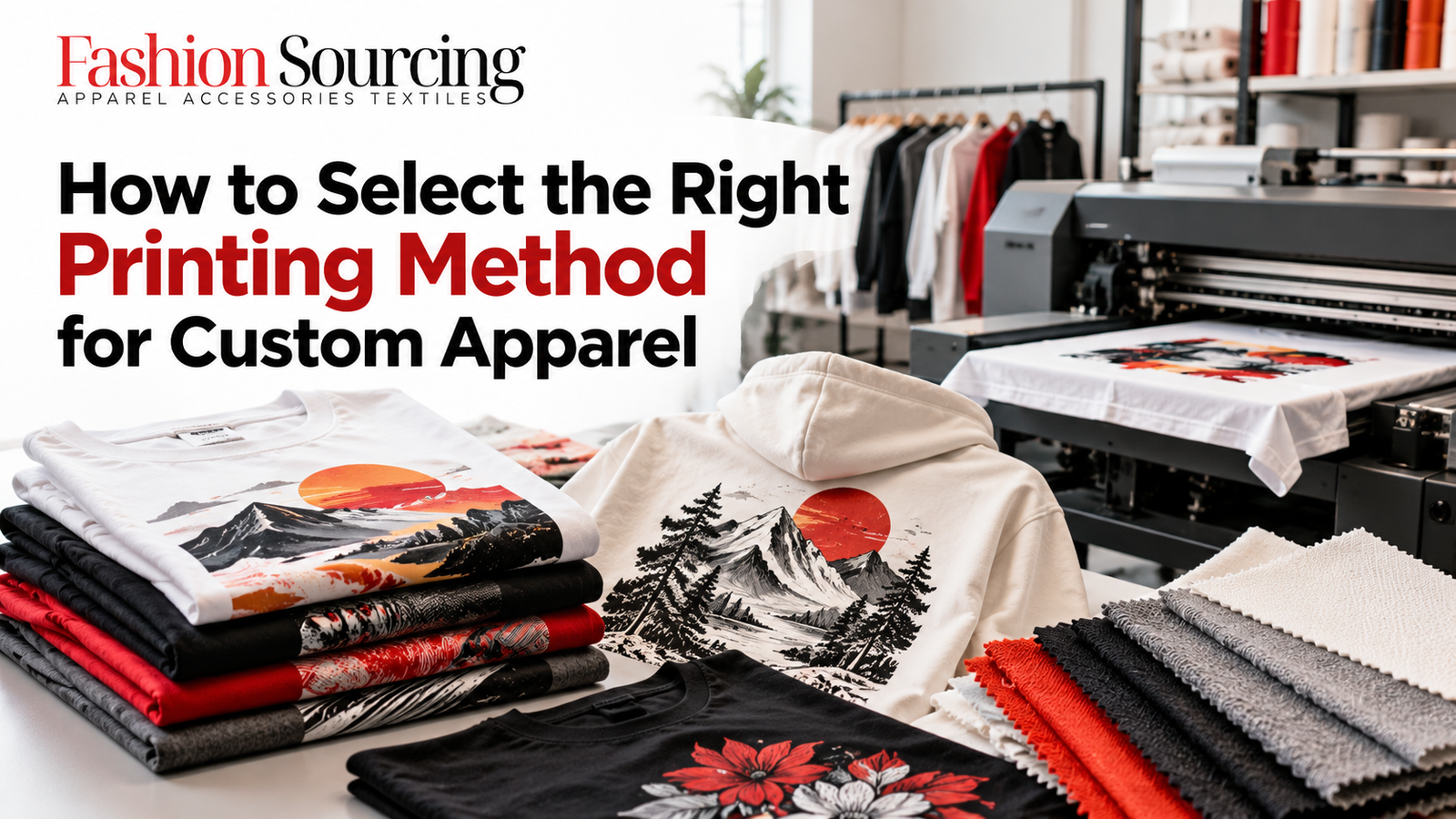
Choosing the right printing method for custom apparel is important for creating clothing that looks good, feels comfortable, and lasts a long time. Whether you are making custom T-shirts, hoodies, sportswear, workwear, or branded clothing, the printing method can affect the final look, cost, and quality of your products.
Different printing methods work best for different fabrics, designs, and order sizes. Some are ideal for large orders, while others are better for small batches or detailed artwork. Understanding these options can help clothing brands, fashion startups, and businesses make better decisions.
1. Understand Your Fabric Type
Before choosing a printing method, consider the fabric used to make your apparel. Cotton, polyester, and blended fabrics can react differently to printing methods.
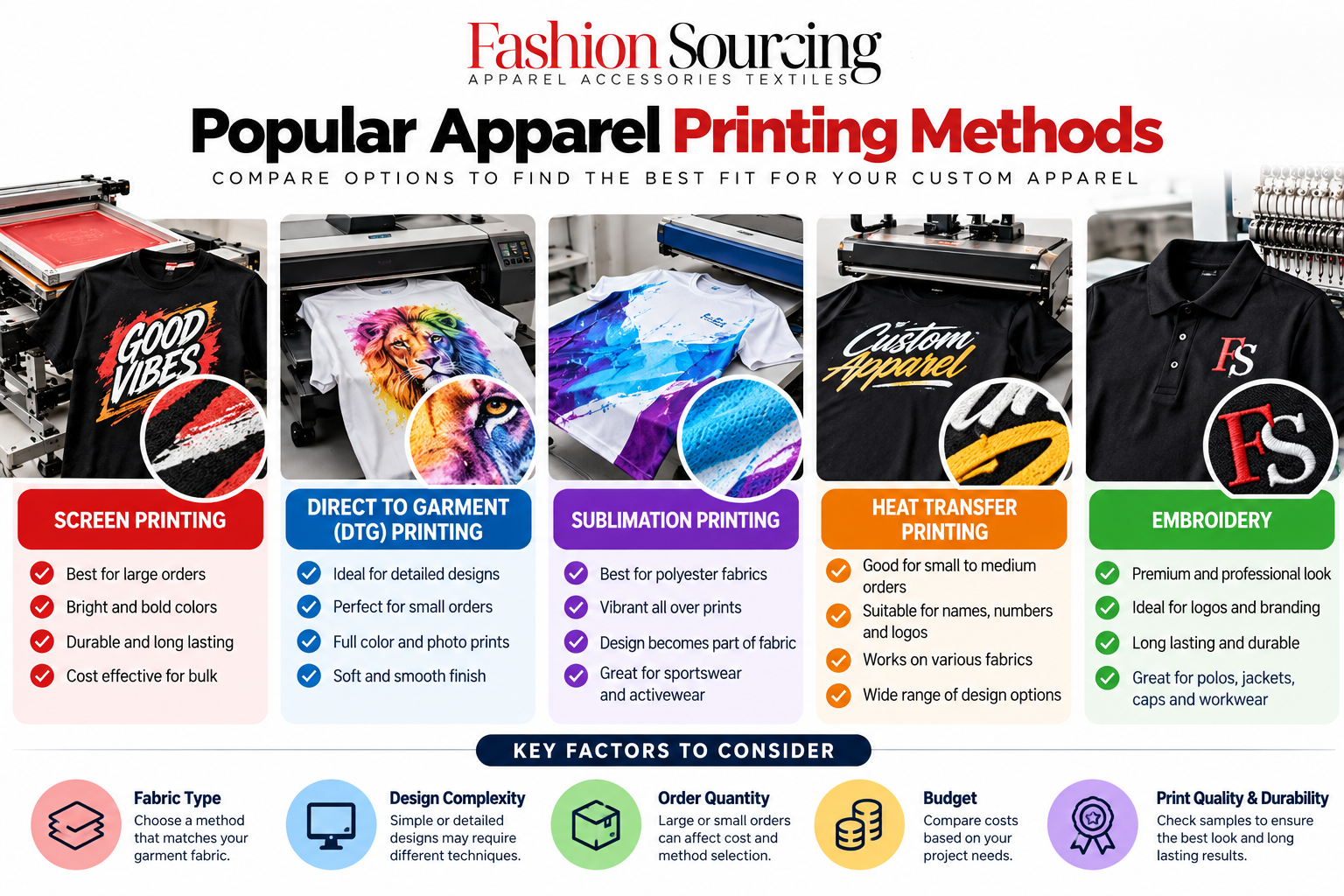
Screen printing works well on many cotton garments and is a popular choice for bulk T-shirt orders. Direct-to-garment (DTG) printing is also suitable for cotton, especially when designs include many colors or small details. For polyester sportswear, dye sublimation can be a good option because it allows the design to become part of the fabric.
Always check fabric compatibility before selecting a method. This helps prevent poor print quality, fading, and other problems during production.
2. Choose a Printing Method Based on Your Design
Your design plays a major role in selecting the right apparel printing technique. Simple logos, text, and bold graphics may work well with screen printing. This method creates clear prints and is often cost-effective for larger orders.
If your design includes photographs, color changes, or detailed artwork, DTG printing may be more suitable. It prints directly onto the garment and can reproduce complex designs.
Heat transfer printing is another option for custom apparel. It uses heat to apply a design to the fabric and works well for names, numbers, and selected graphic designs. For designs that require a smooth, all-over look on suitable polyester garments, sublimation printing is worth considering.
3. Consider Your Order Quantity
The number of garments you need can affect your printing costs. Screen printing usually requires setup for each design, so it often becomes more affordable when producing large quantities.
For small orders, DTG and some heat transfer methods can be practical because they require less setup. They allow brands to produce limited collections, sample products, or personalized garments without ordering hundreds of pieces.
Before making a decision, compare the total production cost rather than looking only at the price per print. Include setup fees, garment costs, labor, and any finishing work.
4. Think About Print Quality and Durability
Custom apparel should look attractive and maintain its appearance after regular use and washing. Different printing methods offer different results in terms of texture, color, and durability.
Screen printing can produce durable prints when the correct ink and curing process are used. DTG printing can provide soft prints with detailed artwork when the fabric and printing process are suitable. Heat transfer durability depends on the transfer material, application temperature, pressure, and care instructions.
Always request samples and test them before placing a large production order. Check how the print feels, whether the colors look correct, and how well it holds up after washing.
5. Match Your Budget and Brand Goals
Your budget and brand identity should guide your final choice. A premium fashion brand may focus on soft prints, clean details, and a high-quality finish. A promotional clothing business may prioritize affordable printing for large quantities.
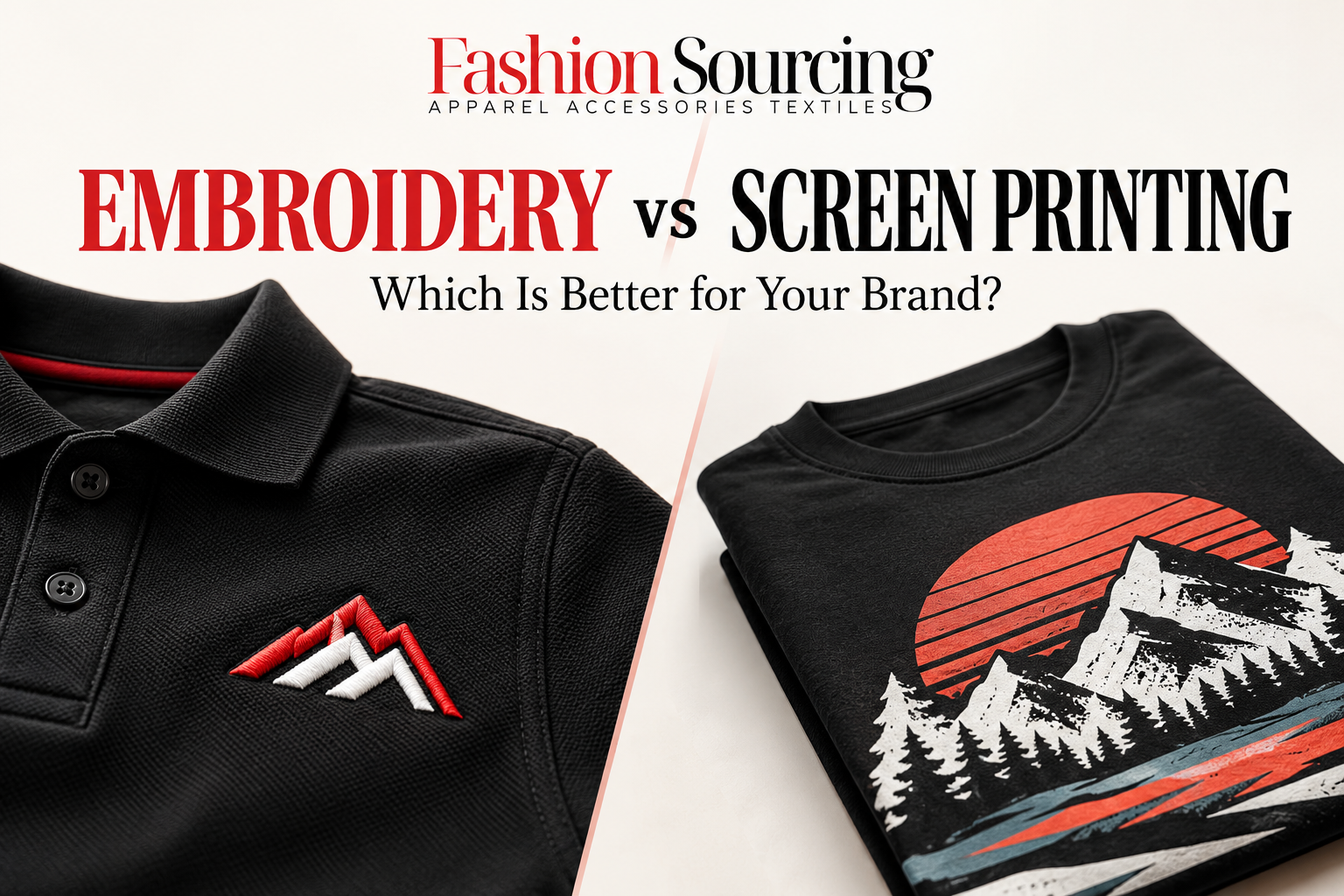
Embroidery can also be considered when you want a raised, textured finish for logos on polo shirts, jackets, caps, and other garments. Although embroidery is not a printing method, it can be a useful alternative for selected designs.
Working with an experienced clothing manufacturer can help you compare printing methods, fabric options, and production costs. The right choice will depend on your design, fabric, order size, budget, and expected product quality.
Frequently Asked Questions
FAQ 1
Question: What is the best printing method for custom apparel?
Answer: The best printing method depends on your fabric, design, budget, and order size. Screen printing is popular for bulk orders, DTG works well for detailed designs on suitable cotton garments, and sublimation is ideal for many polyester products.
FAQ 2
Question: Which apparel printing method is best for T-shirts?
Answer: Screen printing, DTG printing, and heat transfer printing are common choices for custom T-shirts. Screen printing is suitable for larger orders, while DTG is useful for detailed, multicolor designs and smaller batches.
FAQ 3
Question: Is screen printing better than DTG printing?
Answer: Screen printing is often more cost-effective for large orders with repeated designs. DTG printing is useful for detailed artwork, multiple colors, and smaller production runs. The better option depends on the project requirements.
FAQ 4
Question: Which printing method lasts the longest on clothing?
Answer: Screen printing can offer excellent durability when the right ink and curing process are used. Other methods can also last well when applied correctly. Fabric quality, print materials, and washing habits all affect print life.
FAQ 5
Question: What is DTG printing in custom apparel?
Answer: Direct-to-garment printing, also called DTG, uses a specialized printer to apply ink directly to clothing. It is suitable for detailed artwork, colorful graphics, and small custom apparel orders.
FAQ 6
Question: What is the most affordable method for bulk apparel printing?
Answer: Screen printing is often an affordable option for large orders, especially when the same design is printed on many garments. The final cost depends on the number of colors, setup fees, garment type, and order quantity.
FAQ 7
Question: Is heat transfer printing good for custom clothing?
Answer: Yes, heat transfer printing can be useful for names, numbers, logos, and selected graphic designs. Print quality and durability depend on the transfer material, fabric compatibility, and correct application.
FAQ 8
Question: Which printing method is best for polyester clothing?
Answer: Dye sublimation is an excellent choice for many polyester garments, particularly sportswear and all-over printed designs. Other transfer methods may also work, depending on the fabric and desired finish.
FAQ 9
Question: Can I print detailed designs on hoodies?
Answer: Yes. Screen printing, DTG printing, and heat transfer printing can all be used for suitable hoodies. The best option depends on the fabric, design complexity, hoodie color, and desired print feel.
FAQ 10
Question: Which printing method is best for small clothing brands?
Answer: DTG and heat transfer printing can be useful for small clothing brands because they support smaller production runs. They help startups test designs without committing to large quantities of printed garments.
FAQ 11
Question: Does fabric type affect custom apparel printing?
Answer: Yes. Cotton, polyester, and blended fabrics have different properties that affect ink absorption, color results, and print durability. Choosing a compatible printing method helps achieve better results.
FAQ 12
Question: Is sublimation printing suitable for cotton T-shirts?
Answer: Standard dye sublimation works best on polyester fabrics and is not suitable for untreated cotton in the same way. Special coatings or transfer products may be needed to apply sublimation-style designs to cotton.
FAQ 13
Question: How can I make printed clothing last longer?
Answer: Follow the garment’s care instructions. Washing clothes inside out with suitable water temperatures and avoiding excessive heat during drying can help protect many printed designs.
FAQ 14
Question: Should I request a sample before bulk apparel printing?
Answer: Yes. A sample lets you check the print’s color, texture, placement, and finish before approving a large order. You can also test the garment’s fit and wash performance.
FAQ 15
Question: How do I choose a clothing manufacturer for custom printing?
Answer: Look for a manufacturer with experience in your garment type, printing method, and order size. Ask about fabric options, sample production, quality checks, pricing, and delivery times before confirming your order.
Stay updated on Fashion Sourcing, apparel manufacturing, and global supply chain trends:
Connect With Fashion Sourcing
- Instagram: @therealfashionsourcing
- Facebook: Fashion Sourcing
- Twitter/X: @therealfas19949
- LinkedIn: Fashion Sourcing
- Pinterest: Fashion Sourcing
- YouTube: @FashionSourcing-e5w
Visit fashion-sourcing.com for all sourcing and procurement needs.
For media & contact inquiries: hello@fashion-sourcing.com