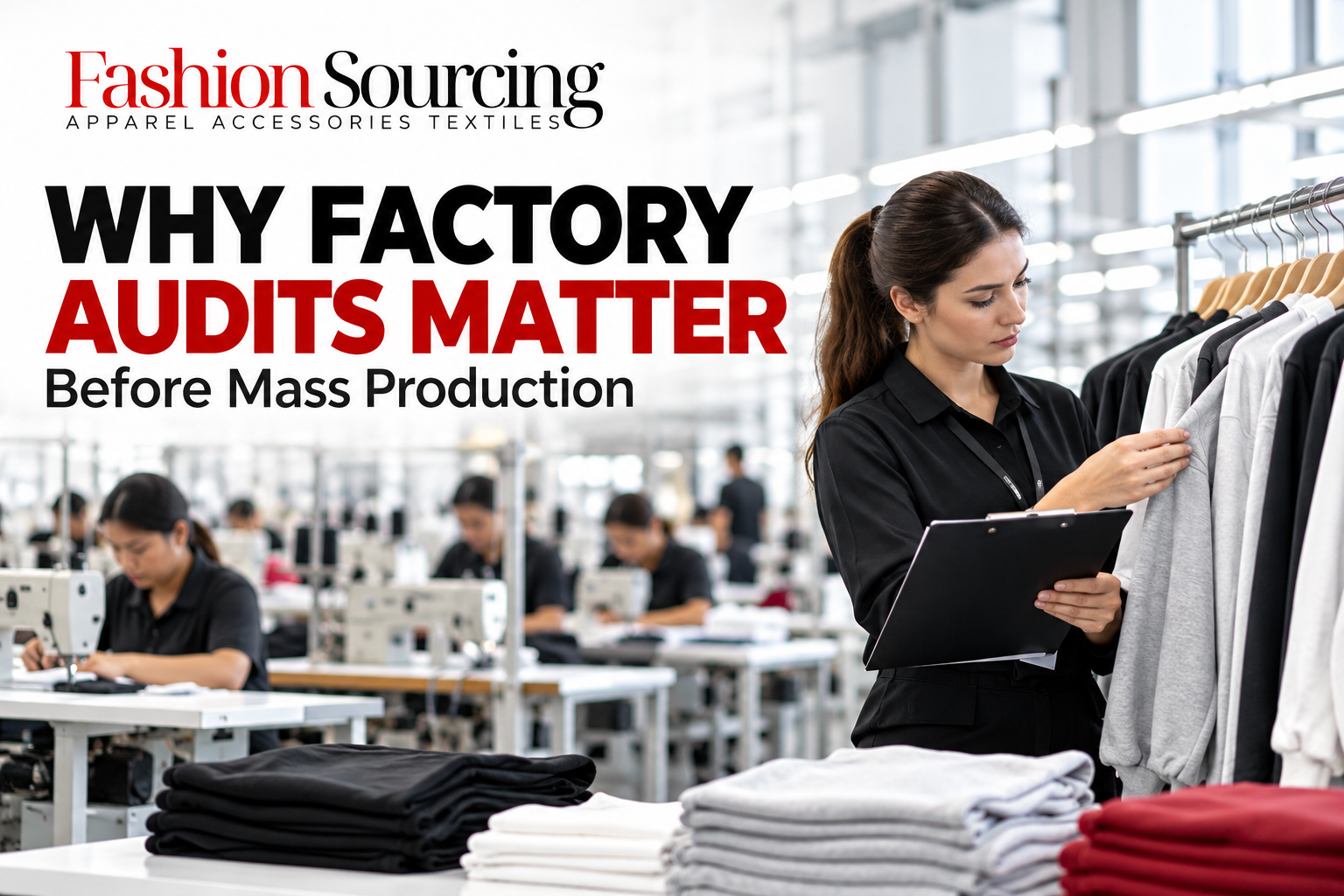
Before starting mass production, clothing brands need to make sure their chosen factory can deliver the right quality, meet deadlines, and follow safe working practices. A factory may offer good prices and attractive samples, but this does not always mean it can handle a large order. This is why factory audits before mass production are an important step in clothing manufacturing.
A factory audit helps brands understand how a manufacturer works, what equipment it uses, and whether it can meet the needs of the business. By checking these details early, brands can avoid costly mistakes and build a strong relationship with their manufacturing partner.
What Is a Factory Audit in Clothing Manufacturing?
A factory audit is a detailed check of a clothing manufacturer’s facilities, production process, quality control system, and working conditions. It helps brands decide whether a factory is suitable for producing garments in large quantities.
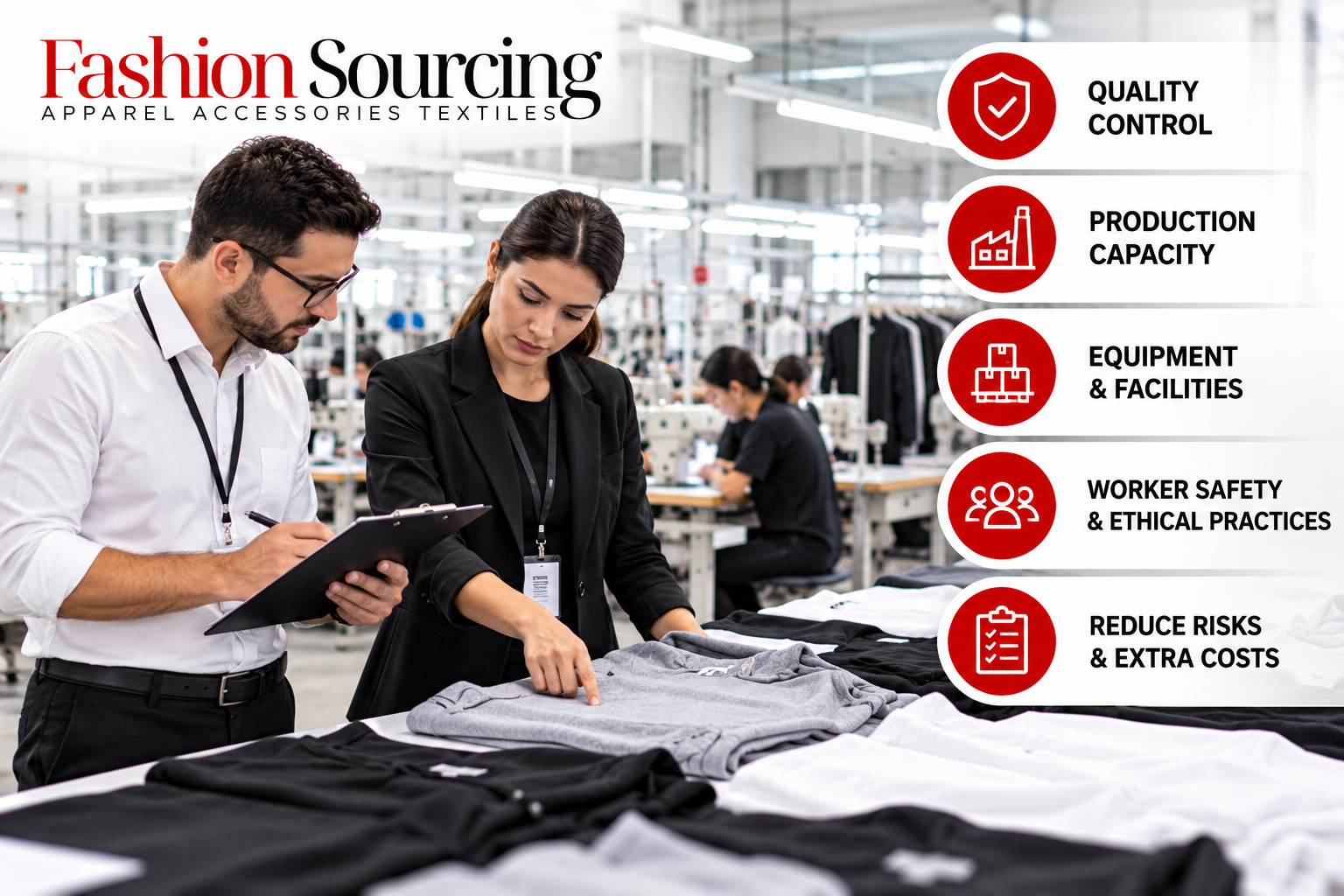
During a factory audit, brands or inspection teams may check the factory’s machines, staff skills, production capacity, fabric storage, safety rules, and quality standards. The goal is to confirm that the factory can produce clothing according to the agreed requirements.
For brands planning to manufacture T-shirts, hoodies, jeans, jackets, or other apparel products, a factory audit provides useful information before placing a large order.
Why Factory Audits Are Important Before Mass Production
1. Ensure Consistent Product Quality
Maintaining the same quality across hundreds or thousands of garments can be difficult without proper systems. A factory audit checks whether the manufacturer has clear quality control steps in place.
Auditors may review stitching quality, fabric handling, measurement checks, printing, embroidery, and finishing methods. This helps brands understand whether the factory can produce garments that match the approved sample.
Consistent product quality is important for customer satisfaction and building a trusted clothing brand.
2. Check the Factory’s Production Capacity
Not every clothing factory can handle large orders. Some manufacturers are better suited to small batches, while others have the machines, workers, and space needed for mass production.
A factory audit helps confirm whether the manufacturer has enough equipment, trained workers, and production space to complete the order on time. It also helps identify possible delays before production begins.
Checking production capacity is especially important for growing brands with large seasonal orders.
3. Reduce Manufacturing Risks and Extra Costs
Production mistakes can lead to wasted fabric, rejected garments, delivery delays, and expensive rework. These problems can reduce profit and affect the launch of a new clothing collection.
A pre-production factory audit helps identify weak areas before they become bigger problems. For example, poor fabric storage may damage materials, while weak quality checks may allow faulty garments to reach the final stage.
Finding these issues early can save both time and money.
4. Verify Ethical and Safe Working Conditions
Responsible clothing manufacturing includes safe working conditions and fair treatment of workers. A factory audit can help brands check whether the manufacturer follows workplace safety rules and relevant labor requirements.
The audit may review emergency exits, fire safety equipment, work areas, employee records, and other relevant practices. Brands should also check whether the factory meets the social compliance standards required by their market or business partners.
These checks help brands make better decisions when selecting a clothing manufacturer.
5. Confirm Production Processes and Equipment
The right machines and production methods are essential for making garments that meet the required design and quality standards.
During an audit, brands can check cutting machines, sewing equipment, printing facilities, embroidery machines, and finishing areas. They can also review how the factory manages fabric cutting, stitching, quality inspection, and packaging.
This gives brands a clearer picture of the factory’s ability to handle their specific clothing products.
When Should You Conduct a Factory Audit?
The best time to conduct a factory audit is before approving a manufacturer for mass production. Ideally, the audit should take place after the initial factory assessment but before a large order is confirmed.
Brands should also consider additional checks when working with a new supplier, launching a new product line, increasing order quantities, or facing repeated quality issues.
A factory audit should be supported by sample approval, clear product specifications, and a defined quality inspection plan. These steps work together to reduce production risks.
How Fashion Brands Can Benefit from Factory Audits
For startups and established apparel brands, factory audits provide better control over the manufacturing process. They help businesses compare suppliers, understand production risks, and choose partners that match their quality and delivery needs.
Working with a reliable manufacturing partner can make it easier to manage custom clothing production, maintain product standards, and plan future orders.
For brands looking for dependable clothing manufacturing support, Fashion Sourcing can help connect sourcing and production needs with a more organized approach to apparel manufacturing.
Frequently Asked Questions About Factory Audits
Question 1: What is a factory audit?
Answer: A factory audit is an inspection of a manufacturer’s facilities, production process, quality control system, and working conditions.
Question 2: Why are factory audits important before mass production?
Answer: Factory audits help identify quality problems, production limits, safety concerns, and other risks before a large clothing order begins.
Question 3: When should a clothing factory audit be conducted?
Answer: It should ideally be conducted before confirming a large order and starting mass production.
Question 4: What does a factory audit check?
Answer: It may check machinery, production capacity, fabric storage, quality control, worker safety, and manufacturing processes.
Question 5: Can factory audits improve garment quality?
Answer: Yes. They help identify weaknesses in quality control and confirm whether the factory can meet the required garment standards.
Question 6: Are factory audits necessary for small clothing brands?
Answer: Yes. Small brands can also face costly production mistakes, so checking a supplier before placing a large order is valuable.
Question 7: How do factory audits reduce manufacturing costs?
Answer: They help find problems early, reducing the risk of fabric waste, defective garments, rework, and production delays.
Question 8: What is the difference between a factory audit and a product inspection?
Answer: A factory audit checks the manufacturer’s overall systems and working conditions, while a product inspection checks the quality of specific garments or an order.
Question 9: Who conducts a factory audit?
Answer: Factory audits may be conducted by the clothing brand, an independent inspection company, or a qualified audit team.
Question 10: What should brands do after a factory audit?
Answer: Brands should review the findings, ask the manufacturer to correct any important issues, and confirm that the factory meets their requirements before mass production.
Stay updated on Fashion Sourcing, apparel manufacturing, and global supply chain trends:
Connect With Fashion Sourcing
- Instagram: @therealfashionsourcing
- Facebook: Fashion Sourcing
- Twitter/X: @therealfas19949
- LinkedIn: Fashion Sourcing
- Pinterest: Fashion Sourcing
- YouTube: @FashionSourcing-e5w
Visit www.fashion-sourcing.com for all sourcing and procurement needs.
For media & contact inquiries: hello@fashion-sourcing.com