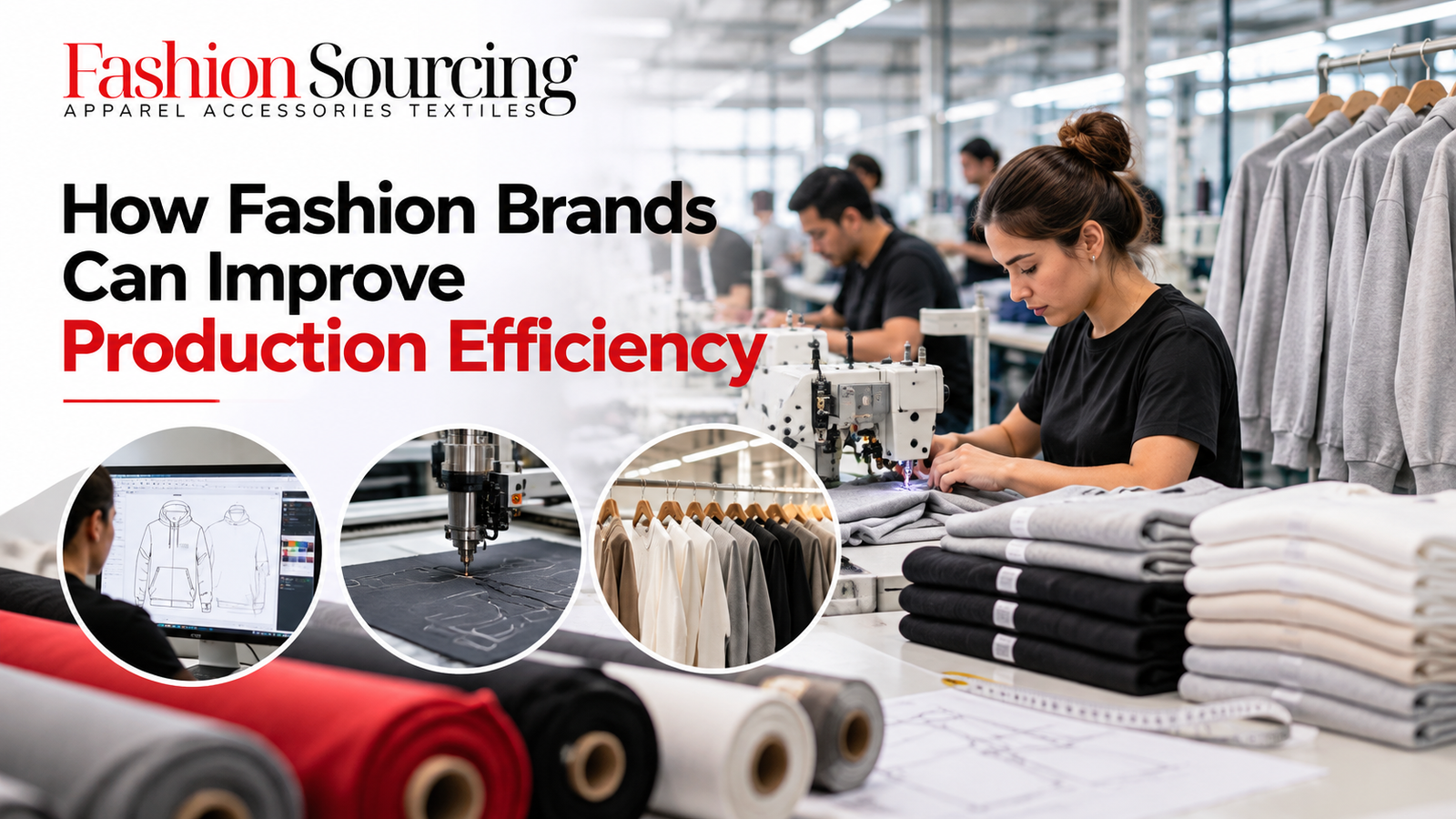
Fashion brands need to manage product quality, production costs, and delivery times to stay competitive in the clothing industry. Whether a brand produces T-shirts, hoodies, jeans, dresses, or custom apparel, an efficient production process helps reduce waste, save time, and meet customer needs. Improving clothing production efficiency does not always require expensive machines. Better planning, clear communication, and the right manufacturing partner can make a big difference.
1. Plan Production Before Manufacturing
Good production planning is one of the best ways to improve garment manufacturing efficiency. Before starting production, fashion brands should finalize designs, fabric choices, size charts, colors, and order quantities. Clear product details help manufacturers understand the requirements and reduce mistakes during production.
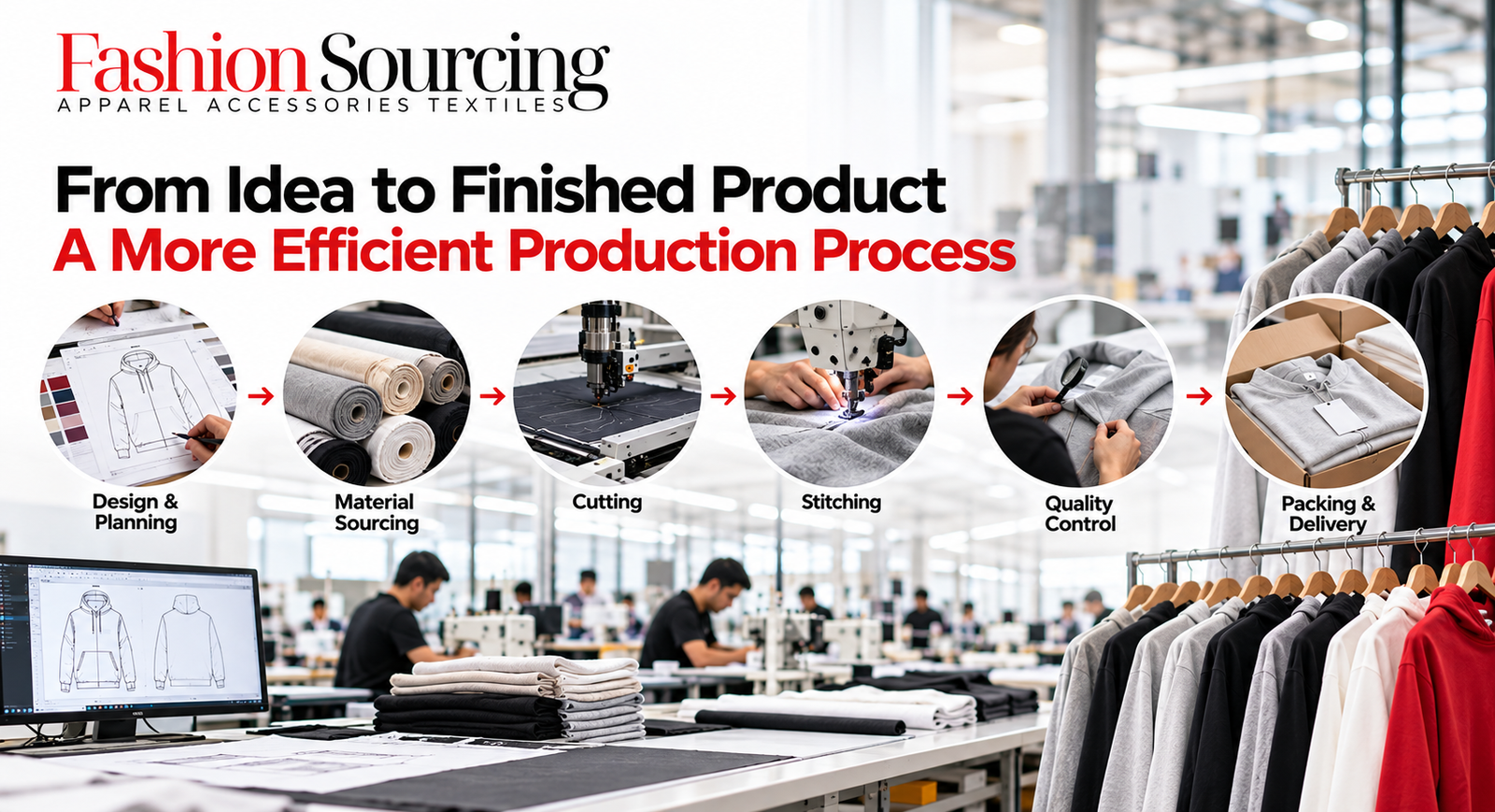
Brands should also prepare a realistic production schedule. This schedule should include fabric sourcing, sample approval, cutting, stitching, finishing, quality checks, and packing. When each stage has a clear deadline, teams can manage their work more smoothly and avoid delays.
2. Choose the Right Fabrics and Materials
Fabric selection plays an important role in clothing production efficiency. The wrong fabric can create problems during cutting, stitching, printing, and finishing. For example, some fabrics stretch easily, while others may shrink or lose their shape after washing.
Fashion brands should test fabric quality before placing large orders. They should also check fabric availability and supplier delivery times. Ordering the right amount of material helps prevent shortages and reduces leftover stock. Working with reliable fabric suppliers can make the entire garment production process faster and more predictable.
3. Use Technology in Garment Manufacturing
Modern technology can help clothing manufacturers improve production speed and accuracy. Computer-aided design (CAD) software helps create accurate patterns and arrange garment pieces to reduce fabric waste. Digital tools can also help manage inventory, track production orders, and monitor deadlines.
Automated fabric-cutting machines, digital printing systems, and modern sewing equipment can improve output when used correctly. Fashion brands should choose technology based on their production needs and order size. Even simple digital tracking tools can help identify delays and keep everyone informed.
4. Reduce Fabric Waste and Material Loss
Fabric is one of the major costs in apparel manufacturing. Poor cutting plans, incorrect measurements, and design changes can lead to unnecessary waste. Brands can reduce material loss by using accurate patterns, planning fabric layouts, and checking measurements before cutting begins.
Manufacturers can also reuse suitable fabric scraps for small accessories, samples, or other products. Better material planning helps lower production costs while supporting more sustainable clothing manufacturing practices.
5. Improve Communication With Manufacturers
Poor communication can cause costly production errors. If a manufacturer does not receive clear instructions about sizing, stitching, colors, labels, or packaging, the final products may not match the brand’s expectations.
Fashion brands should share detailed tech packs, approved samples, and clear production instructions. Regular updates help brands identify problems early and make decisions without unnecessary delays.
Working with an experienced clothing manufacturer also helps brands manage complex orders, from product development to final delivery. A reliable manufacturing partner can provide guidance on materials, production methods, and ways to improve efficiency.
6. Maintain Quality Control at Every Stage
Finding mistakes after production is complete can lead to rework, extra costs, and missed deadlines. Quality checks should take place throughout the manufacturing process rather than only at the end.
Manufacturers should inspect fabric before cutting, check stitching during production, and review measurements, colors, and finishing before packing. Clear quality standards help workers understand what is expected and reduce the number of rejected garments.
7. Manage Inventory and Production Quantities
Producing too many garments can increase storage costs and leave fashion brands with unsold inventory. Producing too few can lead to stock shortages and missed sales opportunities.
Brands should use sales data, customer demand, and seasonal trends to plan production quantities. Small test orders can help new brands understand demand before placing larger orders. Better inventory planning supports smoother production and helps control business costs.
8. Build a Reliable Production Team
Skilled workers and well-organized teams are important for efficient clothing manufacturing. Workers should receive proper training on equipment, stitching methods, safety rules, and quality standards.
Fashion brands and manufacturers should also review production performance regularly. Tracking output, defect rates, material waste, and on-time delivery can reveal areas that need improvement. Small changes based on these results can help create a faster and more reliable production process.
Frequently Asked Questions About Fashion Production Efficiency
Question 1: What is production efficiency in the fashion industry?
Answer: Production efficiency means manufacturing clothing with less waste, fewer errors, lower costs, and better use of time, materials, and workers.
Question 2: How can fashion brands improve production efficiency?
Answer: Fashion brands can improve efficiency through better planning, accurate tech packs, reliable suppliers, modern technology, quality checks, and clear communication with manufacturers.
Question 3: Why is production planning important in garment manufacturing?
Answer: Production planning helps organize each manufacturing stage, manage deadlines, prevent material shortages, and reduce delays.
Question 4: How can clothing manufacturers reduce fabric waste?
Answer: Manufacturers can use accurate patterns, efficient fabric layouts, precise cutting methods, and better material planning to reduce fabric waste.
Question 5: How does technology improve clothing production?
Answer: Technology such as CAD software, automated cutting machines, and digital inventory systems can improve accuracy, reduce manual work, and speed up production.
Question 6: How can fashion brands reduce garment manufacturing costs?
Answer: Brands can control costs by reducing material waste, planning order quantities carefully, avoiding production errors, and choosing suitable manufacturing methods.
Question 7: What is the role of quality control in production efficiency?
Answer: Quality control helps detect problems early, reduce rejected garments, prevent rework, and ensure that finished products meet brand standards.
Question 8: How can small fashion brands improve production efficiency?
Answer: Small brands can start with clear product specifications, manageable order quantities, approved samples, organized schedules, and a reliable clothing manufacturing partner.
Question 9: How does supplier selection affect production efficiency?
Answer: Reliable suppliers help ensure materials arrive on time and meet quality standards, reducing production delays and unexpected costs.
Question 10: How can fashion brands measure production efficiency?
Answer: Brands can track production time, garments completed per day, defect rates, fabric waste, manufacturing costs, and on-time delivery rates to measure performance.
Stay updated on Fashion Sourcing, apparel manufacturing, and global supply chain trends:
Connect With Fashion Sourcing
- Instagram: @therealfashionsourcing
- Facebook: Fashion Sourcing
- Twitter/X: @therealfas19949
- LinkedIn: Fashion Sourcing
- Pinterest: Fashion Sourcing
- YouTube: @FashionSourcing-e5w
Visit www.fashion-sourcing.com for all sourcing and procurement needs.
For media & contact inquiries: hello@fashion-sourcing.com