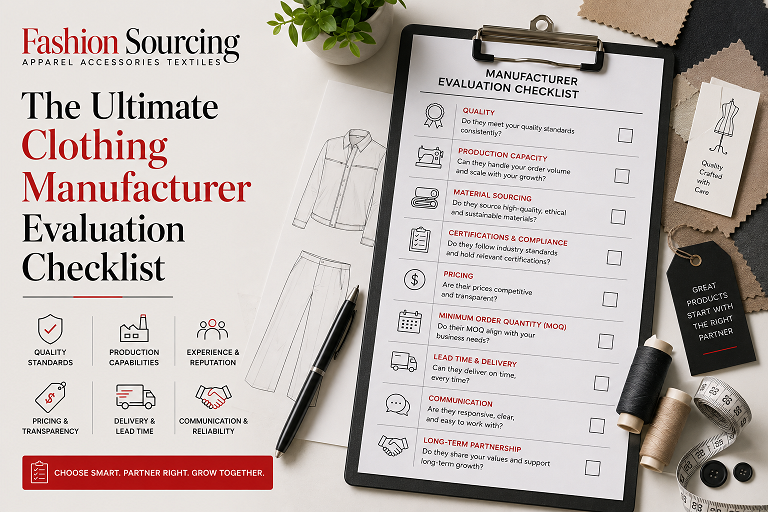
Choosing a clothing manufacturer isn’t something you want to rush. It’s a decision that affects your product quality, your timelines, and ultimately how customers experience your brand. Yet a lot of new business owners end up picking a factory based on price alone, only to run into issues with communication, quality, or delivery a few months later. A structured evaluation process can help you avoid that trap and make a decision you won’t regret.
Here’s a practical checklist to work through before committing to any manufacturer.
Start with the basics
Before diving into detailed negotiations, get a clear picture of whether the manufacturer even fits your brand’s scale and needs. Ask about:
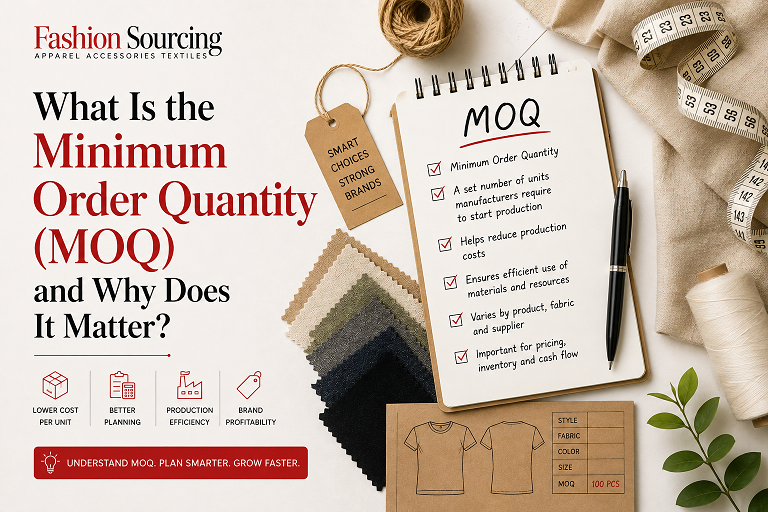
- Minimum order quantities and whether they match your current order size
- The types of garments and fabrics they specialize in
- Their location and how that affects shipping time and cost
- Whether they handle small-batch production or only large bulk orders
If any of these basics don’t align with your business, it’s worth moving on early rather than investing time in a mismatch.
Evaluate their production capabilities
Once the basics check out, look deeper into how the factory actually operates. This tells you whether they can consistently deliver what you need, not just for one order but as your brand grows.
- Ask about their monthly production capacity and how it changes during peak seasons
- Request samples of previous work to assess stitching quality and finishing
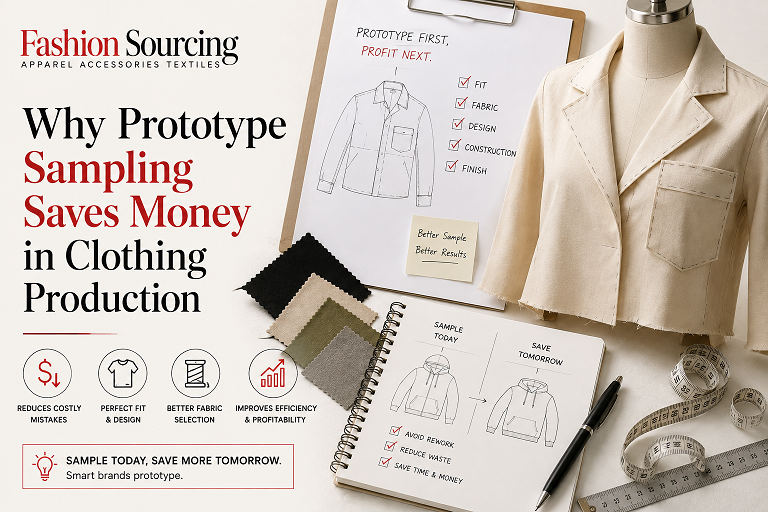
- Confirm whether they offer prototype sampling before committing to bulk production
- Ask how they handle custom requests, like unique trims, prints, or packaging
A manufacturer that can clearly answer these questions is usually more experienced and reliable than one that gives vague responses.
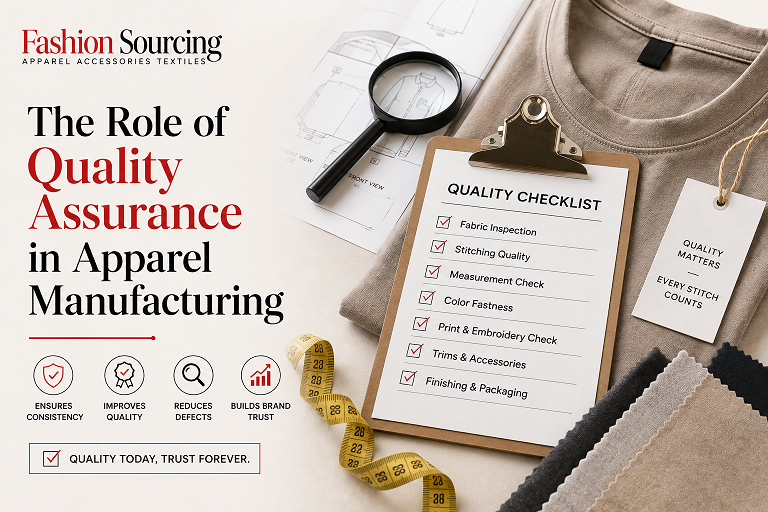
Check their quality control process
Quality issues are one of the most common reasons brands switch manufacturers, so this deserves close attention.
- Ask what percentage of each batch gets inspected
- Find out if they provide inspection reports or photos before shipping
- Ask how defective units are handled, reworked, discarded, or shipped anyway
- Confirm whether there’s a dedicated QA team or if it’s handled informally by production staff
Manufacturers with a documented QC process tend to produce far more consistent results across large orders.
Review communication and reliability
Even a technically skilled factory can create headaches if communication is unclear or slow. Pay attention to:
- How quickly they respond to your initial inquiries
- Whether they provide realistic timelines instead of overly optimistic promises
- If they proactively update you on delays rather than waiting for you to ask
- How comfortable you feel asking follow-up questions without pushback
These softer factors matter more than most people expect, especially once you’re managing multiple orders at once.
Confirm pricing and payment terms
Before signing anything, get full clarity on the financial side of the relationship.
- Ask whether quotes include fabric, labor, and packaging, or if these are billed separately
- Understand deposit requirements and payment milestones
- Clarify what happens financially if a batch doesn’t meet agreed quality standards
- Compare pricing across a few manufacturers rather than accepting the first quote
Working through this checklist takes time, but it’s far less costly than discovering these issues after your money and inventory are already committed. If narrowing down manufacturers on your own feels overwhelming, a platform like Fashion Sourcing can help by connecting you with pre-vetted manufacturers who already meet many of these standards.
At the end of the day, the right manufacturer should feel less like a vendor you’re negotiating with and more like a long-term partner invested in your brand’s success. Taking the time to evaluate properly now sets that relationship up to actually last.