Finding a trusted custom clothing manufacturer in China is one of the most important steps in building a successful fashion brand. China remains a global leader in apparel manufacturing due to its advanced textile infrastructure, large-scale production capabilities, skilled workforce, and extensive supplier network. However, identifying the right manufacturing partner requires more than simply searching online or comparing prices.
Fashion Sourcing, led by Laurent Gabay, works with fashion brands worldwide to simplify the sourcing process by connecting businesses with vetted clothing manufacturers across China and other key production hubs in Asia.
Why China Continues to Lead Global Apparel Manufacturing
China has maintained its position as one of the world’s largest apparel manufacturing centers because of:
- Advanced production technology
- Access to fabrics and trims
- Skilled garment construction teams
- Fast production turnaround
- Strong logistics infrastructure
Chinese factories produce a wide range of apparel categories including:
- Streetwear
- Luxury fashion
- Activewear
- Basics and essentials
- Outerwear
- Fashion accessories
- Private-label collections
For brands seeking scalability, flexibility, and manufacturing efficiency, China remains a major sourcing destination.
Step 1: Define Your Product Clearly
Before approaching any manufacturer, brands should clearly define:
- Product category
- Fabric and material requirements
- Design details
- Target pricing
- Estimated order quantities
- Quality expectations
The more detailed the product information, the easier it becomes for factories to evaluate production feasibility and provide accurate quotations.
Step 2: Create a Professional Tech Pack
A tech pack acts as the blueprint for manufacturing. It usually includes:
- Technical sketches
- Measurements and grading
- Fabric specifications
- Stitching and construction details
- Labeling and packaging instructions
Clear documentation reduces misunderstandings and improves communication between brands and factories.
Step 3: Research and Vet Manufacturers Carefully
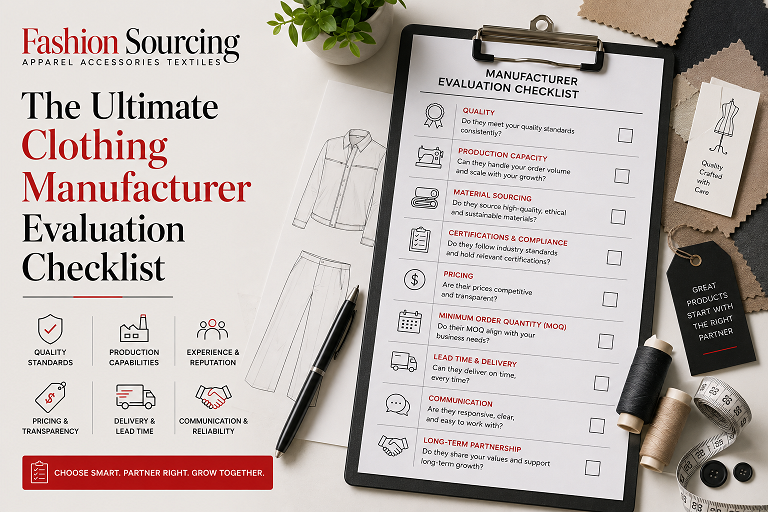
Not all factories offer the same capabilities. Brands should evaluate:
- Factory specialization
- Production capacity
- Minimum order quantities (MOQ)
- Sample quality
- Lead times
- Communication responsiveness
- Certifications and compliance standards
Fashion Sourcing emphasizes working with pre-vetted manufacturers to help reduce sourcing risks and improve production reliability.
Choosing the right factory is about more than pricing,” says Laurent Gabay. “A reliable manufacturing partner should support quality, communication, and long-term scalability.
Step 4: Request Samples before Production
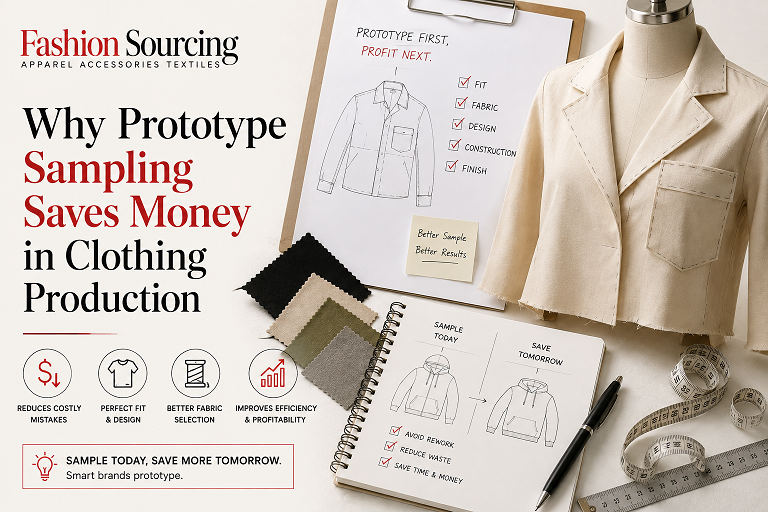
Sampling is essential before placing a bulk order. This stage allows brands to:
- Test garment construction
- Verify fit and sizing
- Evaluate fabric quality
- Refine product details
Strong sampling processes help prevent expensive production mistakes later.
Step 5: Understand MOQ and Production Flexibility
MOQ (minimum order quantity) is one of the biggest concerns for emerging brands. Many factories and every reliable Clothing Manufacturer often require large production volumes, which can create financial pressure.
Fashion Sourcing supports low MOQ manufacturing, allowing brands to:
- Start with smaller runs
- Test products before scaling
- Launch capsule collections
- Reduce inventory risk
This flexibility is especially important for startups and independent fashion labels.
Step 6: Prioritize Communication and Transparency
Reliable communication is critical throughout production. Brands should ensure factories provide:
- Clear production timelines
- Fast response times
- Regular updates
- Transparent pricing structures
Fashion Sourcing helps manage communication between brands and factories to reduce delays and sourcing confusion.
Step 7: Implement Quality Control Systems
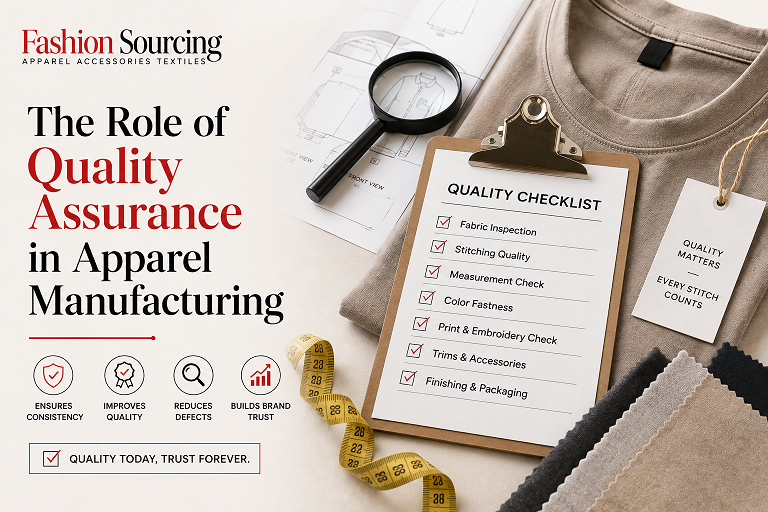
Quality control should occur at multiple stages:
- Pre-production checks
- In-line inspections during manufacturing
- Final inspections before shipment
This ensures products consistently meet brand standards.
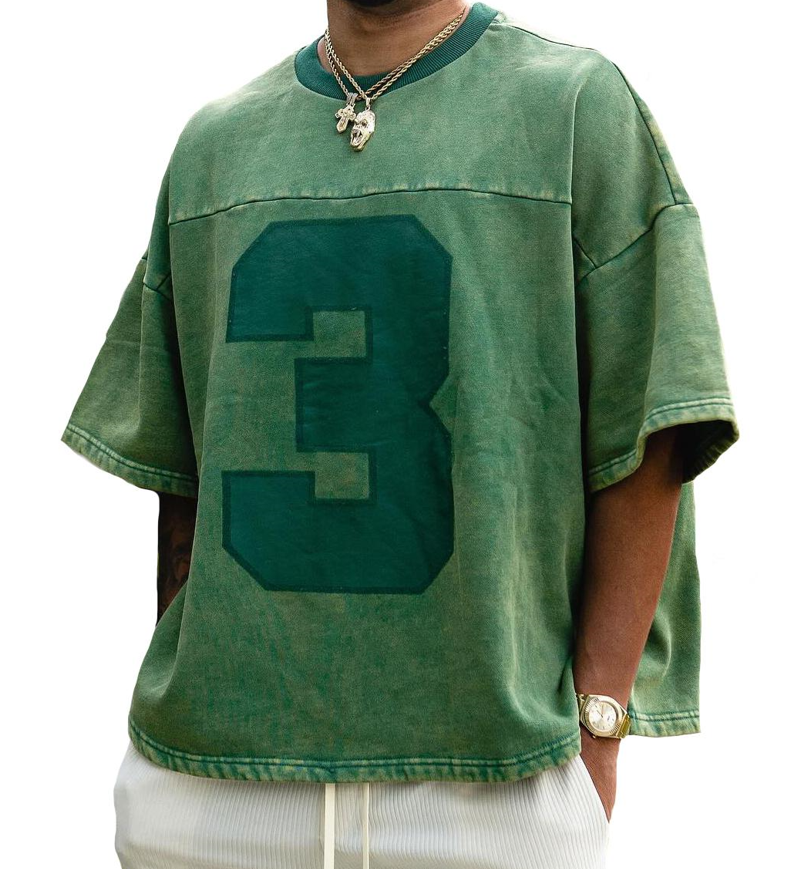
Clothing Manufacturer
Step 8: Build Long-Term Manufacturing Relationships
The best sourcing strategies focus on long-term partnerships rather than one-time transactions. Strong factory relationships can lead to:
- Better pricing
- Improved consistency
- Faster turnaround times
- Greater production flexibility
Trust and reliability become increasingly valuable as brands scale.
How Fashion Sourcing Supports Custom Manufacturing
Fashion Sourcing provides end-to-end sourcing and production support through services including:
- Factory matching
- Product development
- Fabric and trim sourcing
- Sampling coordination
- Bulk production management
- Quality control oversight
- Logistics coordination
The platform works with manufacturers across China as well as production partners in India, Bangladesh, Pakistan, Thailand, and Cambodia.
Finding a trusted custom clothing manufacturer in China requires careful planning, technical preparation, and strong factory evaluation. Brands that invest time into building reliable sourcing systems are far more likely to scale successfully while maintaining product quality and operational efficiency.
Fashion Sourcing helps simplify this process by connecting brands with vetted manufacturers and managing the complexities of global apparel production through structured sourcing systems designed for modern fashion businesses.
Follow Our Updates:
Follow Fashion Sourcing to explore fresh trends, supplier connections, and helpful updates from the fashion manufacturing world.
Instagram: @therealfashionsourcing
Facebook: Fashion Sourcing
Twitter: @therealfas19949
LinkedIn: Fashion Sourcing
Pinterest: Fashion Sourcing
YouTube: @FashionSourcing-e5w