Sustainable Fashion Manufacturing Trends
Sustainability is no longer a buzzword in the fashion industry – it’s a business imperative. From the way garments are designed to how raw materials are sourced and how finished products reach consumers, every link in the fashion supply chain is being scrutinized and reimagined. In 2026, the brands that are winning aren’t just selling clothes – they’re selling values, transparency, and a commitment to doing better. If you’re building or scaling a fashion brand, understanding the latest sustainable manufacturing trends isn’t optional. It’s the foundation of long-term relevance.
The Shift Toward Responsible Raw Material Sourcing
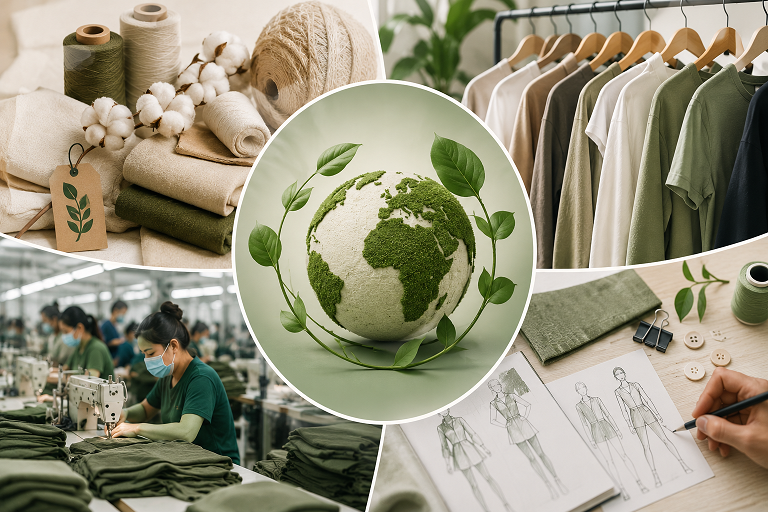
One of the most significant shifts in sustainable fashion is happening at the very beginning of the supply chain — fabric and textile sourcing. Brands are moving away from conventional cotton, virgin synthetics, and petroleum-based materials in favor of organic, recycled, and regenerative alternatives. Fabrics like TENCEL, recycled polyester made from ocean plastics, organic linen, and hemp are becoming mainstream rather than niche. Consumers are paying attention, and so are retailers — many of whom are now requiring sustainability certifications from suppliers before agreeing to stock a brand’s products.
Working with a sustainable fabric sourcing company has become one of the most strategic decisions a brand can make early in its development. The right sourcing partner doesn’t just connect you with eco-friendly materials — they help you navigate certifications like GOTS, OEKO-TEX, and blue-sign, ensure traceability throughout the supply chain, and identify the best fabrics for your specific product category and price point.
Nearshoring and Domestic Manufacturing Are Gaining Momentum
Global supply chain disruptions over the past several years have accelerated a major trend: brands are bringing production closer to home. Nearshoring — manufacturing in countries geographically close to the target market — and full domestic production are both on the rise in the United States. This shift is driven by more than just logistics. Shorter supply chains have a measurably lower carbon footprint, and domestic manufacturing allows for tighter quality control and more ethical oversight of labor conditions.
For American brands, this means a growing ecosystem of factories, fabric mills, and finishing facilities operating within the country. Brands that previously relied on overseas production are discovering that domestic sourcing can be cost-competitive when factoring in shipping costs, import duties, lead times, and the value of a “Made in USA” designation with today’s consumers.
Deadstock and Circular Fashion Are Entering the Mainstream
Another trend reshaping sustainable manufacturing is the rise of deadstock fabric usage and circular design principles. Deadstock refers to surplus fabric left over from large manufacturer overruns – material that would otherwise end up in landfills. An increasing number of brands are building entire collections around deadstock, which reduces waste while also creating a sense of scarcity and exclusivity that resonates with consumers.
Circular fashion goes a step further, designing garments with end-of-life in mind from the very beginning. This means using mono-materials that can be fully recycled, avoiding non-recyclable trims, and creating take-back programs that allow customers to return worn items for repurposing. These practices are no longer reserved for luxury labels – they’re being adopted across price points and categories.
Technology Is Transforming Sustainable Supply Chains
From AI-powered demand forecasting that reduces overproduction to blockchain-based traceability systems that verify sustainability claims, technology is making it easier than ever to build a genuinely transparent supply chain. Brands are using digital tools to track the journey of a garment from raw fiber to finished product, sharing this information directly with consumers through QR codes and digital product passports.
For brands looking to adopt these practices, partnering with knowledgeable textile sourcing services USA is a smart starting point. Experienced sourcing partners are already embedded in networks of certified mills, ethical factories, and innovative material suppliers — giving your brand access to resources that would take years to build independently.
Building a Sustainable Brand for the Long Term
The most important thing to understand about sustainable fashion manufacturing is that it’s a journey, not a destination. No brand is perfect from day one, and consumers generally respond well to brands that are honest about where they are in their sustainability journey and what they’re actively working to improve. Transparency, consistency, and genuine commitment matter far more than having all the answers immediately.
Start with your materials. Audit your current or planned supply chain. Find partners who share your values. And build sustainability into your brand story from the ground up – because in 2026 and beyond, it’s not just the right thing to do. It’s the smart business move.
Stay updated on Fashion Sourcing, apparel manufacturing, and global supply chain trends:
Connect With Fashion Sourcing
- Instagram: @therealfashionsourcing
- Facebook: Fashion Sourcing
- Twitter/X: @therealfas19949
- LinkedIn: Fashion Sourcing
- Pinterest: Fashion Sourcing
- YouTube: @FashionSourcing-e5w
Visit www.fashion-sourcing.com for all sourcing and procurement needs.
For media & contact inquiries: hello@fashion-sourcing.com